
Rehabilitation after surgery
Rehabilitation after ACL reconstruction
Nine to twelve months, criteria-based, and the one rehabilitation where returning early is measurably dangerous rather than merely unwise.
An ACL reconstruction is a long rehabilitation and the temptation to shorten it is enormous, because the knee feels good months before it is ready. Around six months most people can run, jump and change direction without pain, and the graft has not finished maturing and the strength deficits are still substantial.
The evidence on this is not ambiguous: returning to pivoting sport before the criteria are met is associated with markedly higher reinjury rates, and each additional month of rehabilitation up to around nine reduces that risk. This is the one page on this site where the timeline is not negotiable.

The criteria, written down at the start
Quadriceps strength symmetry — the operated leg measured against the other, as a percentage, on a dynamometer rather than by eye. Hamstring symmetry likewise.
Hop testing: single hop for distance, triple hop, crossover hop and timed hop, each compared against the other leg.
Movement quality under fatigue, because a knee that controls well when fresh and collapses inward on the twentieth repetition is a knee that will fail in the eightieth minute.
And time. The tests can be passed before the graft has matured, which is why time is a criterion in its own right rather than something the tests replace.
We write these down at the first appointment specifically so that nobody renegotiates them in month eight when the season is starting.
The phases
Early: extension, swelling, quadriceps activation. A knee that does not fully straighten in the first month is a problem that compounds, and quadriceps shutdown after this operation is profound.
Middle: progressive strengthening, single-leg loading, and the beginning of running once the strength criteria for it are met — which is a criterion, not a month.
Late: plyometrics, cutting, sport-specific work, and a graded return to training that is deliberate rather than accidental.
Throughout: the other leg, the hip, and the trunk, because ACL injuries are rarely purely a knee problem and the second injury very often happens on the other side.
Your surgeon governs the early restrictions
Graft type, weight-bearing status, brace use and early range limits are the operating surgeon's decisions and they differ meaningfully between grafts. We work to their protocol.
Where a protocol seems unusually conservative or unusually aggressive we telephone rather than adjusting it ourselves, and we will tell you we have done so.
Insurance, over a year
Thirty to fifty visits over nine to twelve months exceeds most annual visit allowances, and frequently spans two plan years, which is worth planning around deliberately.
We will map that out with you at the start: which visits are worth the allowance, where the home programme carries more of the load, and what the self-pay portion would be. That conversation belongs in month one rather than month eight.
Your plan's visit cap, checked before you start. Most commercial plans cap physical therapy visits per calendar year, and the cap is frequently lower than the course of treatment a condition needs. We check your benefit before the first visit rather than after the sixth, we tell you the number, and we plan the course around it — front-loading the hands-on work and handing you more of the programme to run yourself if the arithmetic says we should.
Included as standard
How we treat this
Return criteria written at visit one
Strength symmetry, four hop tests and movement quality under fatigue, agreed before anybody has a reason to argue about them.
Strength measured, not estimated
A dynamometer and a tape measure. An athlete who can see the gap closing argues about the timeline far less.
The other leg and the hip trained throughout
ACL injury is rarely purely a knee problem, and the second injury very often happens on the other side.
Running started on criteria, not on a month
Because the calendar does not know what your quadriceps can do.
The surgeon's early protocol followed
Graft type changes the early restrictions materially, and those are the surgeon's call.
A twelve-month insurance plan
Thirty to fifty visits crosses most annual allowances and often two plan years. Mapped in month one, not month eight.
When to make an appointment
Signs this is worth an assessment
- You have an ACL reconstruction booked and want to prepare beforehand.
- You are early post-operative and your knee will not fully straighten.
- You are around six months out, feeling good, and want to know what is left.
- You have been cleared to return but nobody has tested you.
- You have reinjured a previously reconstructed knee.
- You did not have surgery and want to know whether you can manage without it.
ACL reconstruction — how long a course usually takes
- Spread over nine to twelve months. Return to pivoting sport is decided by strength and hop symmetry tests, not by the date on the calendar.30 – 50 visits
This is a typical number of visits for this problem, not a quote and not a promise. You get an estimate specific to you, in writing, at the first appointment, and we reassess against the same measurements at visit four rather than at visit ten — so a course that is not working gets changed or stopped instead of extended. What each visit costs is published on the pricing page: $190 for the initial evaluation and $140 for a treatment visit if you are paying yourself, or your plan's copay if you are not. We do not sell blocks of visits in advance.
Questions we are actually asked
ACL reconstruction — frequently asked
How long is ACL rehabilitation?
Nine to twelve months to a tested return to pivoting sport, with thirty to fifty visits across it. The knee feels ready months before it is, which is exactly why the decision is made on criteria rather than on how it feels.
When can I return to sport after ACL surgery?
When you pass the criteria: quadriceps and hamstring strength symmetry measured on a dynamometer, four hop tests compared with the other leg, movement quality maintained under fatigue, and enough elapsed time for the graft to mature. Returning before that is associated with markedly higher reinjury rates.
Why does time matter if I pass the tests?
Because the graft matures biologically on its own schedule and the tests can be passed before it has. Time is a criterion in its own right rather than something strength testing replaces, which is why both appear on the list.
Do I need surgery for an ACL tear?
Not everybody does. Some people function well without reconstruction, particularly if they do not play pivoting sports, and a structured rehabilitation programme is a legitimate first choice for them. The decision depends on your knee, your sport and your instability, and it is worth taking properly rather than by default.
Will my insurance cover a year of rehabilitation?
Frequently not all of it. Thirty to fifty visits exceeds most annual allowances and often spans two plan years. We map it out at the start — which visits are worth the allowance, where the home programme carries more, and what the self-pay portion would be.
Related conditions
Often seen alongside this
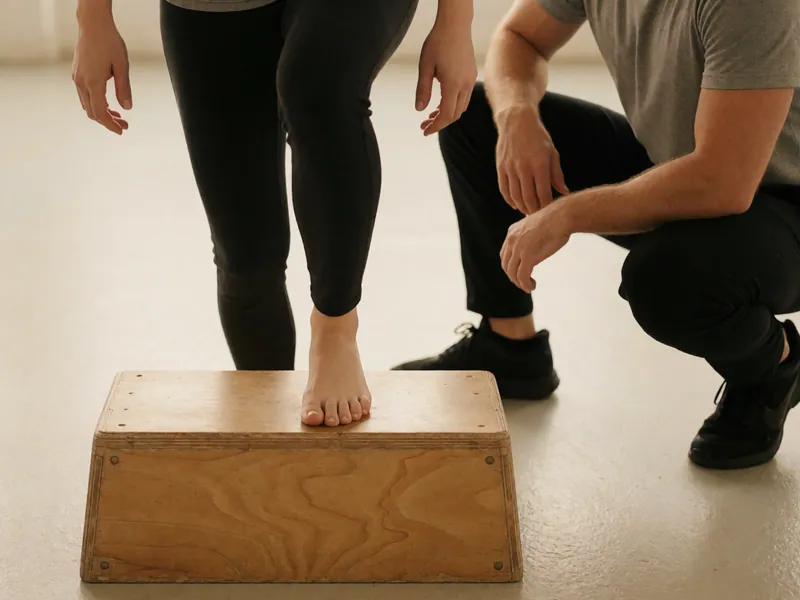
Knee pain
Stairs, kneeling, running, or the knee that hurts because of what the hip is not doing. All four get a different programme.
6 – 14 visits
Sports injury
Return is a test you pass, not a date you reach. We will tell you what the test is at the first appointment.
10 – 24 visits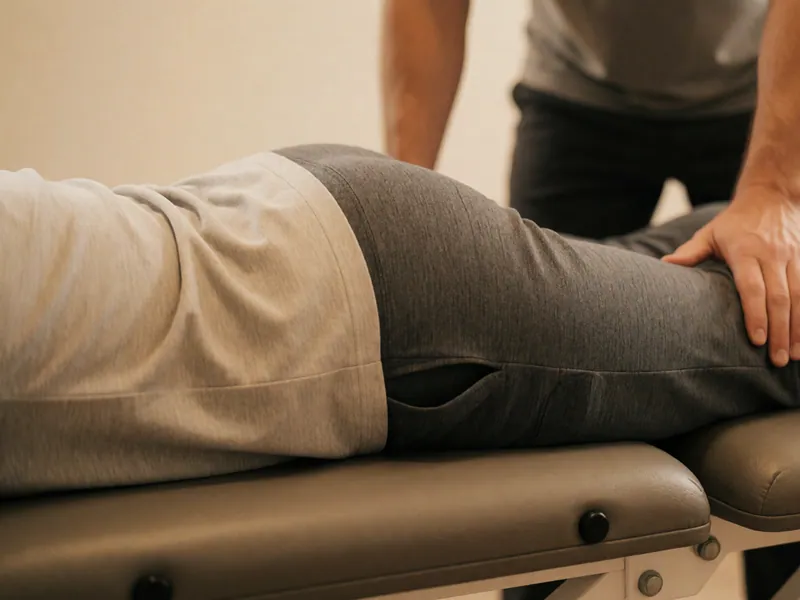
Strains & tears
Hamstrings, calves and groins. The reinjury rate is high and it is high because people return to sport on how it feels rather than on what it can do.
6 – 14 visits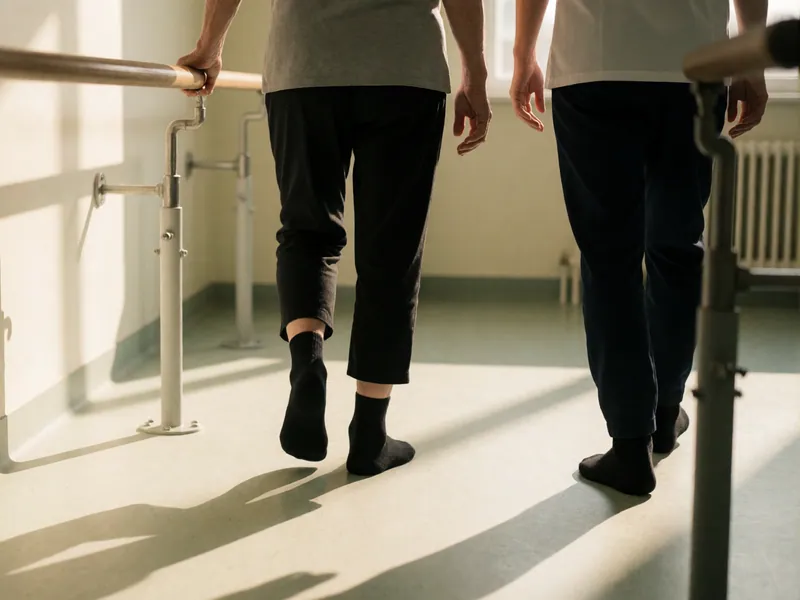
Knee replacement
The first six weeks decide the range of motion you keep. This is the rehabilitation where showing up early matters most.
16 – 24 visitsSixty minutes, one to one, with the therapist you chose
Book an appointment
The booking page shows each therapist's own diary rather than a generic grid, so a slot you can see is a slot that is genuinely free. Most people do not need a doctor's referral to start — New York's direct access law runs to ten visits or thirty days — though Workers' Compensation, No-Fault and Medicare each need one from the first visit. If you are not sure which of those you are, telephone and we will work it out before you book.