Balance, nerves and dizziness
Rehabilitation after a stroke
Recovery does not stop at six months. It slows, and what happens after that depends heavily on how much you actually practise.
The most useful thing to know about stroke recovery is that the old rule — that whatever you have at six months is what you keep — is not correct. Recovery is fastest early and slows considerably, but it does not stop, and meaningful gains are achievable years afterwards with sufficient practice.
The active ingredients are intensity and repetition. Not a particular technique, not a piece of equipment: the number of times you practise the movement you are trying to recover. Which means the real constraint on most people's recovery is not their biology, it is how many repetitions they can get.
Why the visit allowance is the binding constraint
The doses used in the research that shows good outcomes are considerably higher than what a typical outpatient allowance funds. That is an uncomfortable fact and pretending otherwise does nobody any good.
So the structure of what we do is shaped around it: supervised sessions used for the things that genuinely need a clinician — assessing, progressing, correcting compensations, teaching a carer — and a home programme designed to deliver the volume.
We will be explicit about this at the start. If your allowance is twenty visits, we will tell you how we propose to spend twenty and what the home programme has to carry.
What we work on
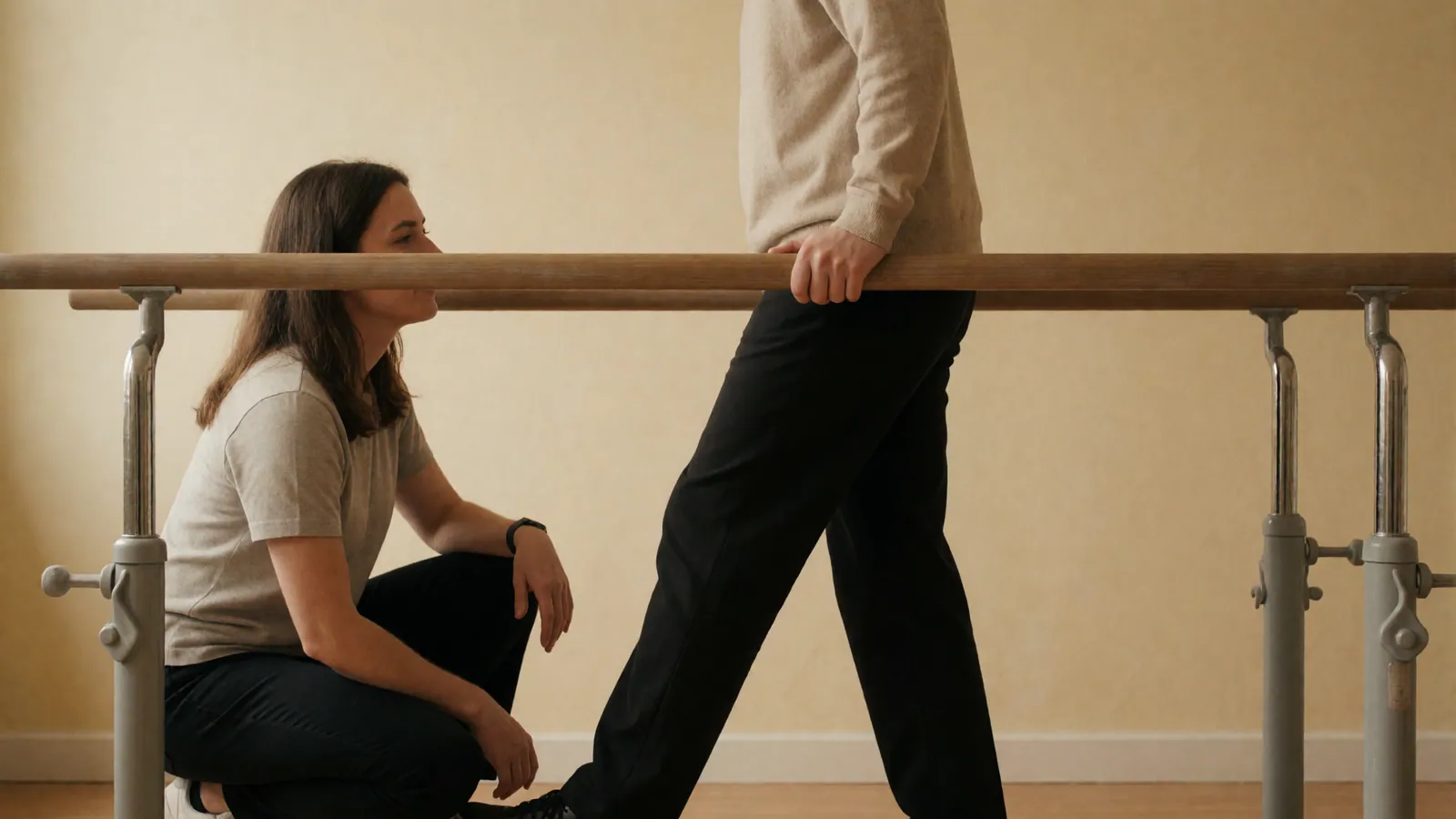
Walking: speed, distance, stairs, uneven ground, and the confidence to do them outside. Gait speed is one of the better single predictors of independence and it is trainable.
The affected arm, where there is enough movement to work with. Repetition is everything here and the numbers required are large.
Balance and falls risk, which is elevated after stroke and is frequently the thing that limits independence more than the weakness does.
And the compensations, which are the double-edged part: a strategy that got somebody walking in month two can be the thing preventing better walking in month eight, and unpicking it is uncomfortable and worth it.
The carer, deliberately included
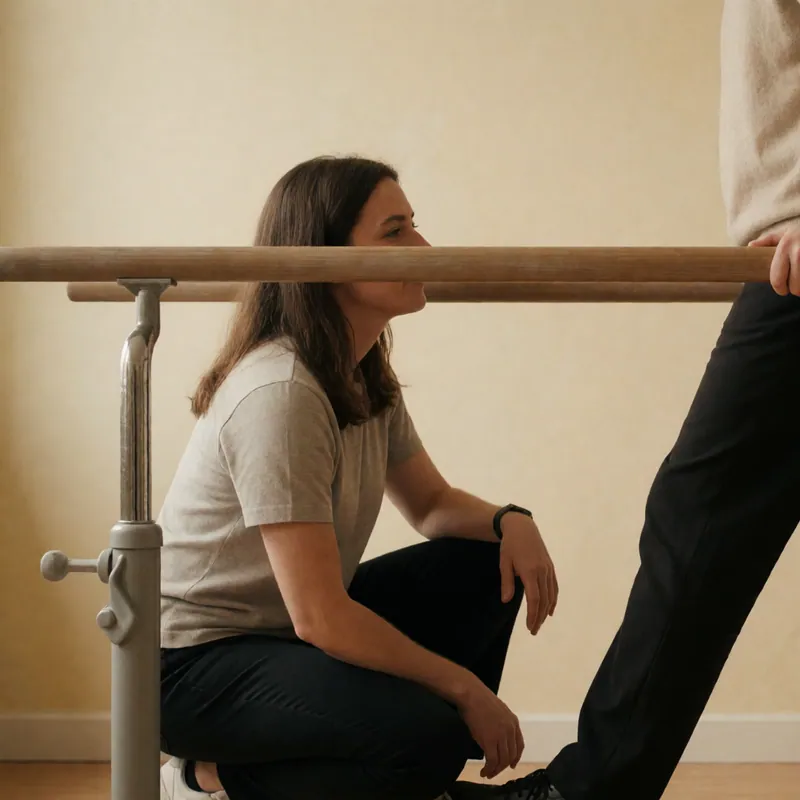
If somebody is helping you at home, they should be in the appointment where practicable. A home programme that depends on a partner who has never been shown it is a home programme that will not be done.
We also talk honestly about how much help is too much. Assistance that makes a task easier today frequently prevents it being learned, and that is a hard conversation to have with somebody who is trying to be kind.
What we do not claim
Physical therapy does not repair the brain injury. What it does is drive the reorganisation that follows one, by practising the thing you want to recover, many times.
We will not tell you how much function you will get back, because nobody honestly can. We will tell you what has changed since the last measurement, which is a smaller and more useful statement.
Your plan's visit cap, checked before you start. Most commercial plans cap physical therapy visits per calendar year, and the cap is frequently lower than the course of treatment a condition needs. We check your benefit before the first visit rather than after the sixth, we tell you the number, and we plan the course around it — front-loading the hands-on work and handing you more of the programme to run yourself if the arithmetic says we should.
Included as standard
How we treat this
Repetitions treated as the active ingredient
Not a technique or a machine. The number of times you practise the movement is what drives recovery.
The allowance named at the start
The research doses exceed what most plans fund. We will tell you how we propose to spend what you have.
A home programme built to carry volume
Because the supervised hours cannot deliver the repetitions, and pretending otherwise helps nobody.
Gait speed measured
One of the better single predictors of independence, and trainable. Measured rather than described.
Compensations unpicked deliberately
The strategy that got you walking in month two can be what limits month eight. Undoing it is uncomfortable and worth it.
The carer taught, not just informed
A programme that depends on a partner who has never been shown it will not be done.
When to make an appointment
Signs this is worth an assessment
- You have been discharged from inpatient or home rehabilitation and want to keep going.
- You are more than six months out and were told recovery had stopped.
- Your walking has plateaued and you would like it measured properly.
- You are managing indoors but not outdoors, or not on stairs.
- You have had a fall, or are worried about one.
- Your family member is helping you and nobody has shown them how.
Stroke rehab — how long a course usually takes
- A typical outpatient course over several months, following inpatient or home-based rehabilitation. Intensity and repetition are the active ingredients, and both are limited by what your plan will authorise.24 – 48 visits
This is a typical number of visits for this problem, not a quote and not a promise. You get an estimate specific to you, in writing, at the first appointment, and we reassess against the same measurements at visit four rather than at visit ten — so a course that is not working gets changed or stopped instead of extended. What each visit costs is published on the pricing page: $190 for the initial evaluation and $140 for a treatment visit if you are paying yourself, or your plan's copay if you are not. We do not sell blocks of visits in advance.
Questions we are actually asked
Stroke rehab — frequently asked
Does stroke recovery stop after six months?
No. Recovery is fastest early and slows considerably, but meaningful gains are achievable years afterwards with sufficient practice. The old rule that whatever you have at six months is what you keep is not correct, and being told it is has stopped a great many people from continuing to work.
How much physical therapy do I need after a stroke?
More than most plans fund, and that is the honest answer. The doses in the research showing good outcomes are substantially higher than a typical outpatient allowance. We use the supervised sessions for what genuinely needs a clinician and build a home programme to carry the volume.
What actually drives recovery?
Intensity and repetition — the number of times you practise the movement you are trying to recover. Not a particular technique or a piece of equipment. That is why the home programme matters more here than almost anywhere else on this site.
Should my family member come to appointments?
Where practicable, yes. A home programme that depends on somebody who has never been shown it will not happen. We will also talk honestly about how much help is too much, because assistance that makes a task easier today can prevent it being learned.
Can physical therapy repair the damage from a stroke?
No, and we will not claim it does. What it does is drive the reorganisation that follows the injury by practising the target movement repeatedly. We will not predict how much function you will recover — nobody honestly can — but we will tell you what has changed since the last measurement.
Related conditions
Often seen alongside this
Balance & falls
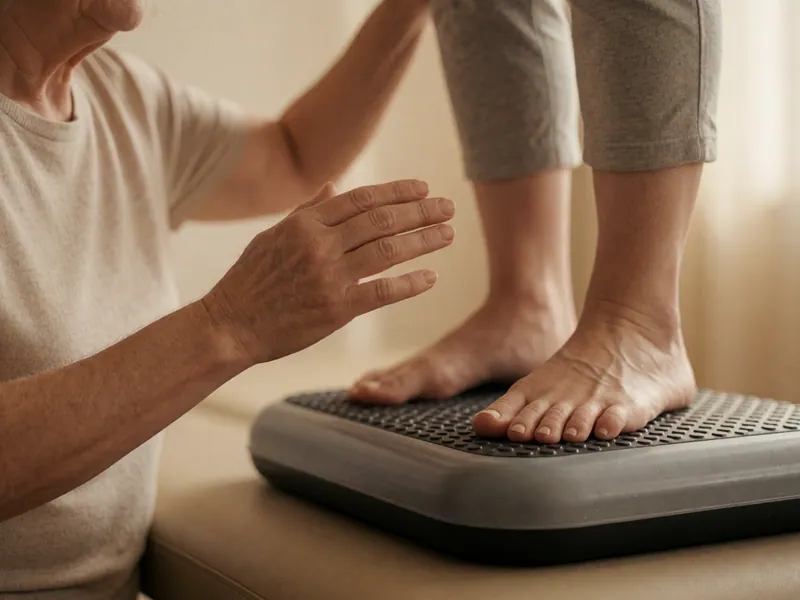
Falling is not a consequence of age. It is a consequence of specific, measurable and largely trainable deficits, and we measure them.
12 – 24 visits
Parkinson's
Big, effortful, deliberately exaggerated movement, practised often. It does not slow the disease and it does change what you can do.
16 – 32 visits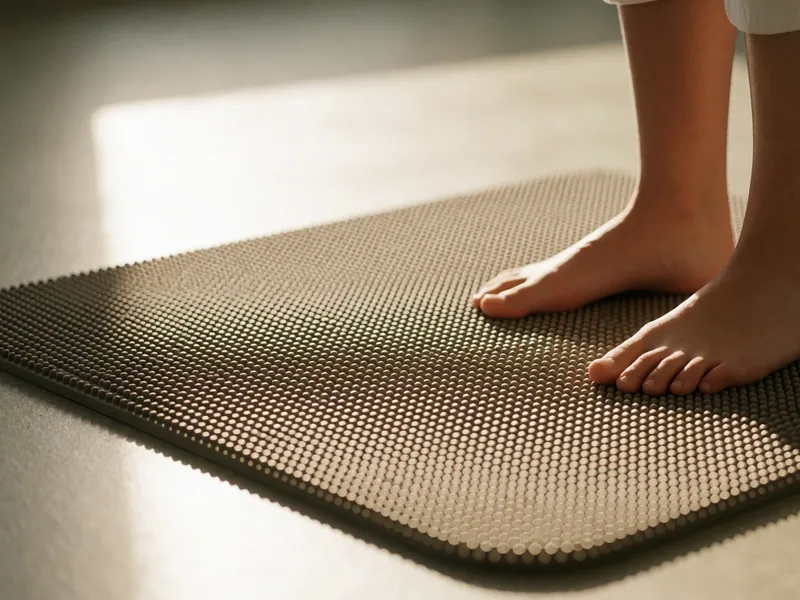
Neuropathy
When sensation is unreliable, balance has to be rebuilt on the senses that still work. That is trainable even when the nerve is not.
10 – 20 visits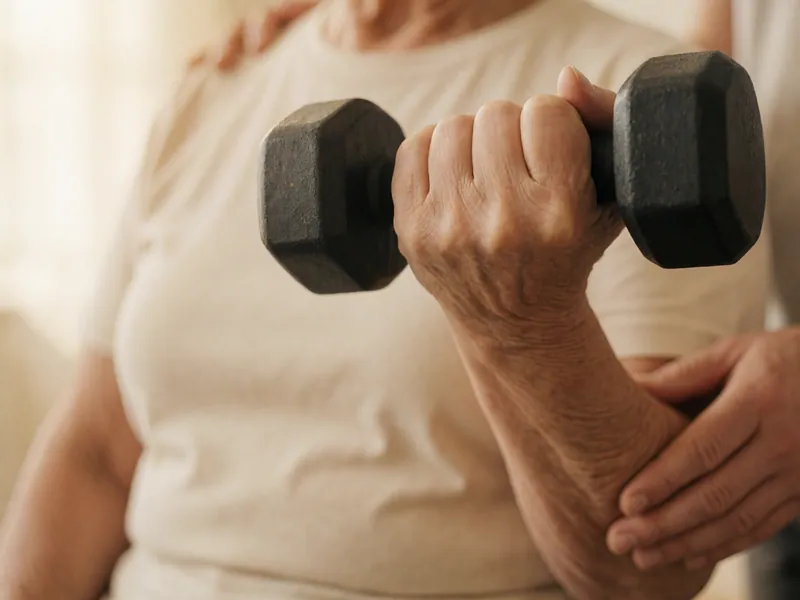
Older adults
Strength training works at eighty. It works at ninety. The dose that works is heavier than almost anybody is offered.
12 – 24 visitsSixty minutes, one to one, with the therapist you chose
Book an appointment
The booking page shows each therapist's own diary rather than a generic grid, so a slot you can see is a slot that is genuinely free. Most people do not need a doctor's referral to start — New York's direct access law runs to ten visits or thirty days — though Workers' Compensation, No-Fault and Medicare each need one from the first visit. If you are not sure which of those you are, telephone and we will work it out before you book.