Joints, muscles and tendons
Muscle strains and tears
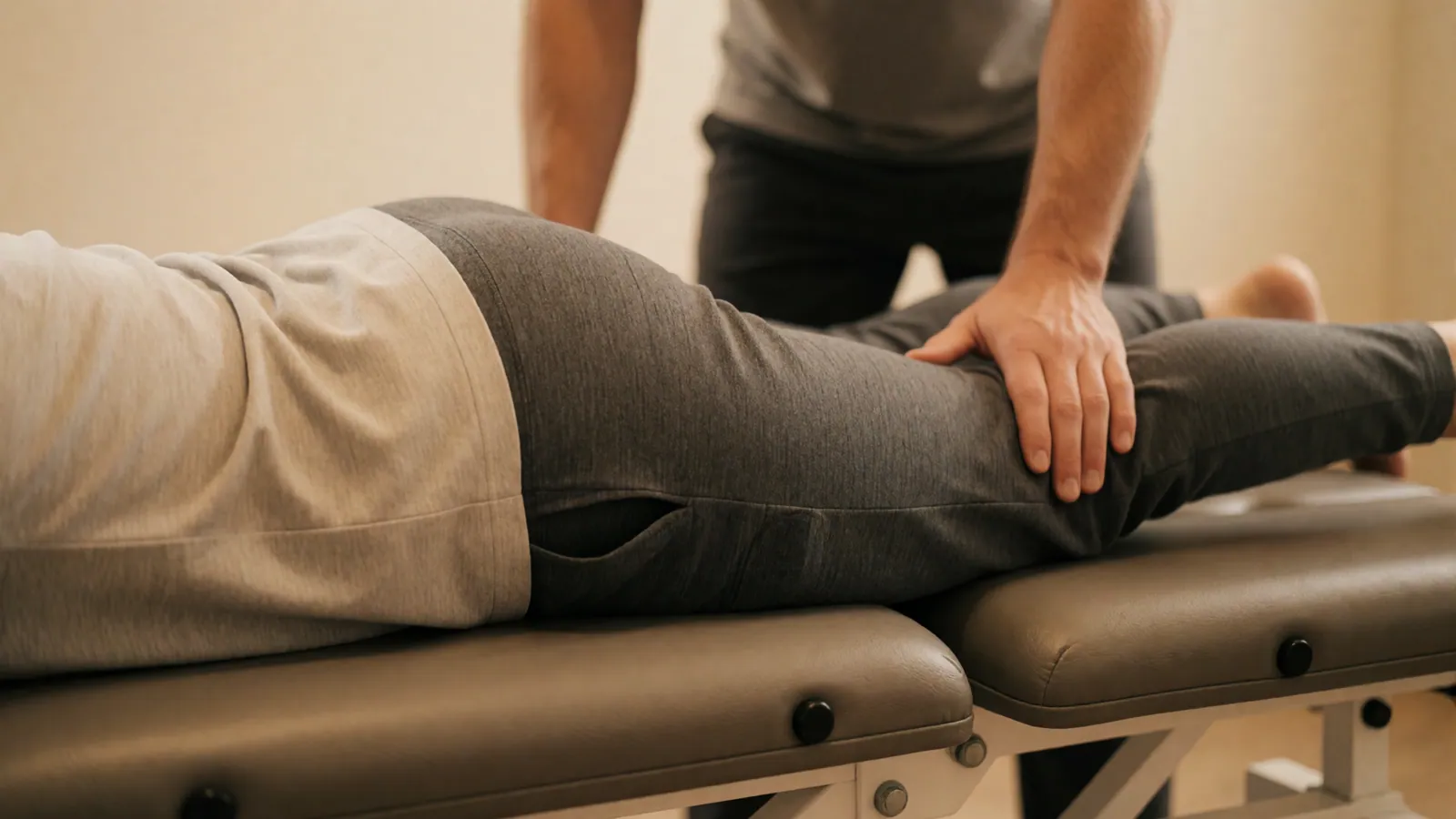
Hamstrings, calves and groins. The reinjury rate is high, and it is high because people return to sport on how it feels rather than on what it can do.
A muscle strain heals reliably. What does not happen reliably is the recovery of the strength and the length-tension properties the muscle needs at speed — and the gap between comfortable and capable is where almost every reinjury happens.
Hamstring strains have among the highest recurrence rates in sport, and the largest single driver is returning too early on the strength of how the leg feels jogging in a straight line.
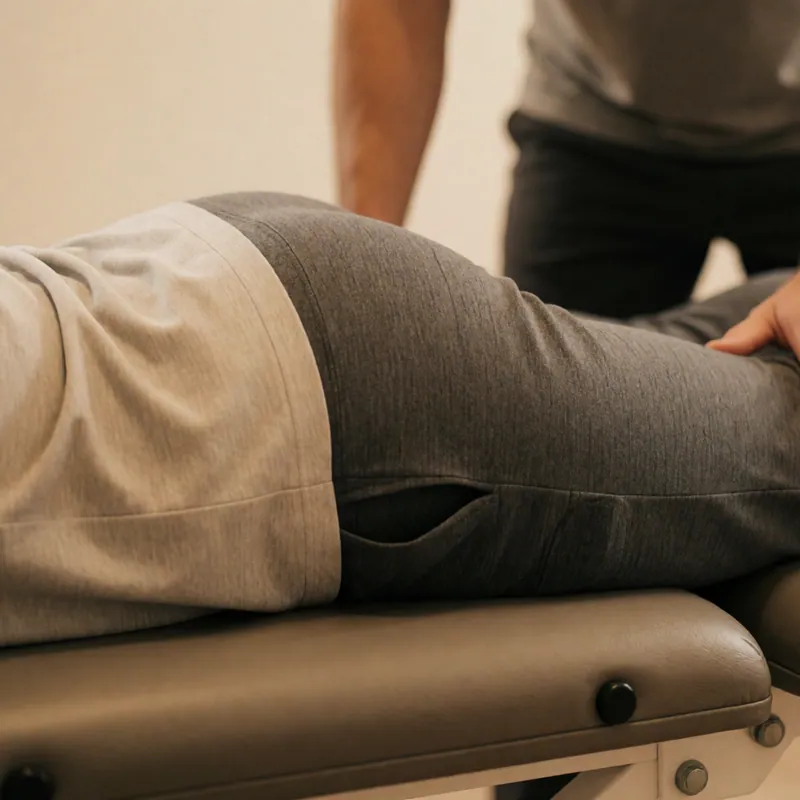
Why feeling fine is not the test
A strained hamstring is comfortable at walking pace and at a jog long before it can tolerate the eccentric load of a sprint stride. Pain is absent through the whole of that gap, which makes it a useless guide.
So we test instead: strength symmetry against the other side, the specific movement that caused it performed at speed, and a graded return to sprinting or cutting done deliberately rather than by accident in the first match back.
The programme
Early loading — much earlier than the traditional rest-and-ice approach — because muscle tissue responds to load and the alternative is scar tissue laid down without alignment.
Then eccentric strengthening, which has the best evidence for reducing hamstring reinjury specifically, progressed at lengthening ranges rather than only at comfortable ones.
And running mechanics, because a return to sprinting is the actual goal and it is a skill that has to be rebuilt rather than resumed.
Calves and groins
Calf strains are common in runners over thirty-five and are frequently under-rehabilitated because walking recovers so quickly. Single-leg calf raise capacity — the number you can do, compared to the other side — is the honest measure and it is usually much worse than people assume.
Groin strains need the adductors loaded properly and are prone to becoming chronic when they are not. Persistent groin pain in an athlete has a wider differential than a strain and we will screen for it.
Nothing here is a promise that treatment will work. Nothing on this site is a promise that treatment will work. Physical therapy has good evidence behind it for a great many musculoskeletal problems and poor evidence for a few of the things it is sold for, and we would rather tell you which of those you have than take the appointment either way. We publish no success rate, no star rating and no before-and-after photographs, because a clinic that chooses which outcomes to show is not reporting outcomes.
Included as standard
How we treat this
Loading early rather than resting long
Muscle responds to load, and prolonged rest produces poorly organised scar tissue and a longer course.
Eccentric strengthening at length
The component with the best evidence for reducing hamstring reinjury, trained in lengthened ranges rather than comfortable ones.
Strength symmetry measured
Against the other side, with numbers. Single-leg calf raise capacity in particular is usually far worse than people assume.
Running and cutting rebuilt as a skill
A return to sprinting is the goal and it is trained deliberately rather than attempted in the first match back.
Written return criteria
Agreed at the first appointment so nobody renegotiates them when the fixture list gets interesting.
Screening for the groin that is not a strain
Persistent groin pain in an athlete has a wider differential, and we will say when it needs a physician.
When to make an appointment
Signs this is worth an assessment
- You felt a sudden sharp pain during a sprint, a kick or a change of direction.
- You have strained the same muscle more than once.
- It feels fine jogging and you have no idea whether it is ready for more.
- There is a lump, a gap or significant bruising.
- You have been out for three weeks and want a structured way back rather than a guess.
- Your calf is fine walking but you cannot do a single-leg heel raise properly.
Strains & tears — how long a course usually takes
- A typical course to a tested return to sport. We use criteria, not calendars: strength symmetry, distance, and the movement that caused it, at speed.6 – 14 visits
This is a typical number of visits for this problem, not a quote and not a promise. You get an estimate specific to you, in writing, at the first appointment, and we reassess against the same measurements at visit four rather than at visit ten — so a course that is not working gets changed or stopped instead of extended. What each visit costs is published on the pricing page: $190 for the initial evaluation and $140 for a treatment visit if you are paying yourself, or your plan's copay if you are not. We do not sell blocks of visits in advance.
Questions we are actually asked
Strains & tears — frequently asked
When can I go back to sport after a muscle strain?
When you pass the criteria rather than when a date arrives: strength symmetry against the other side, the movement that caused it performed at speed, and a completed graded running progression. They are written down at the first appointment. Returning on how it feels is the single largest driver of reinjury.
Why do hamstring strains keep coming back?
Because the muscle is comfortable at walking and jogging pace long before it can tolerate the eccentric load of a sprint stride, and pain is absent through that whole gap. Returning on comfort means returning into a strength deficit you cannot feel.
Should I rest a muscle strain?
Briefly, then load it. Early graded loading produces better-organised tissue and a shorter course than prolonged rest, which lays down poorly aligned scar and leaves you weaker at the end.
How long does a calf strain take?
Six to fourteen visits over several weeks, and longer than people expect because walking recovers so quickly that the deficit is invisible. The honest measure is single-leg calf raise capacity compared with the other side, and it is usually much worse than assumed.
Do I need a scan for a muscle tear?
Usually not. Grading on imaging correlates only loosely with recovery time, and the clinical picture plus strength testing guides the programme better. Where there is a palpable gap, severe loss of function, or a professional-level return-to-play decision, imaging has more of a role.
Related conditions
Often seen alongside this
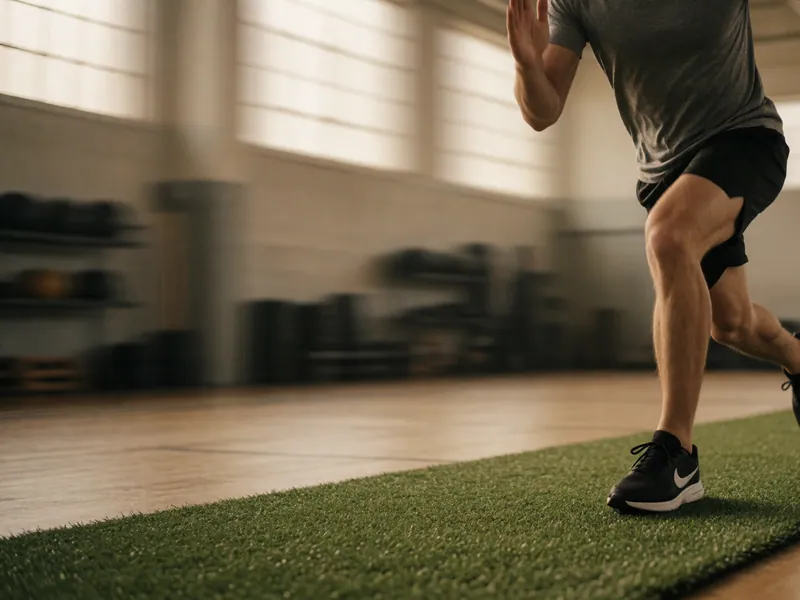
Sports injury
Return is a test you pass, not a date you reach. We will tell you what the test is at the first appointment.
10 – 24 visits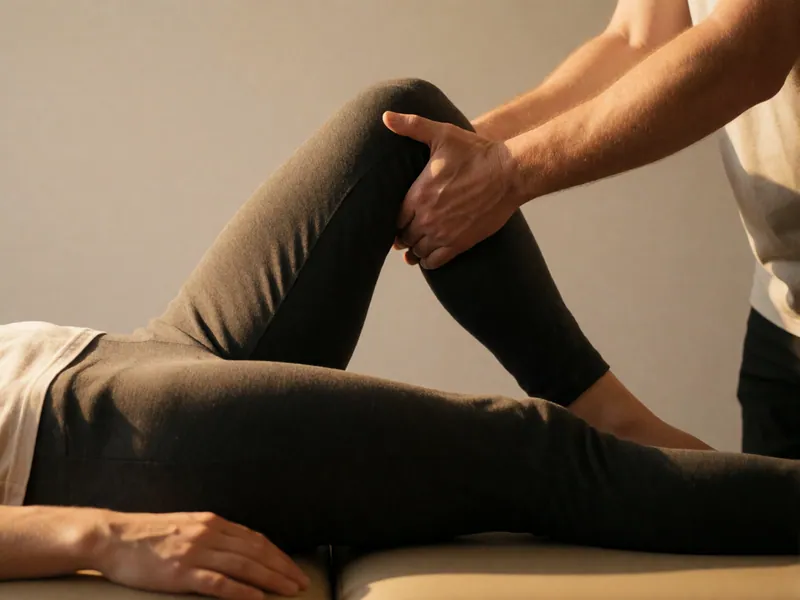
Hip pain
True hip pain is felt in the groin. Pain on the outside of the hip is usually a tendon, and it is made worse by exactly the stretch people are given for it.
8 – 16 visits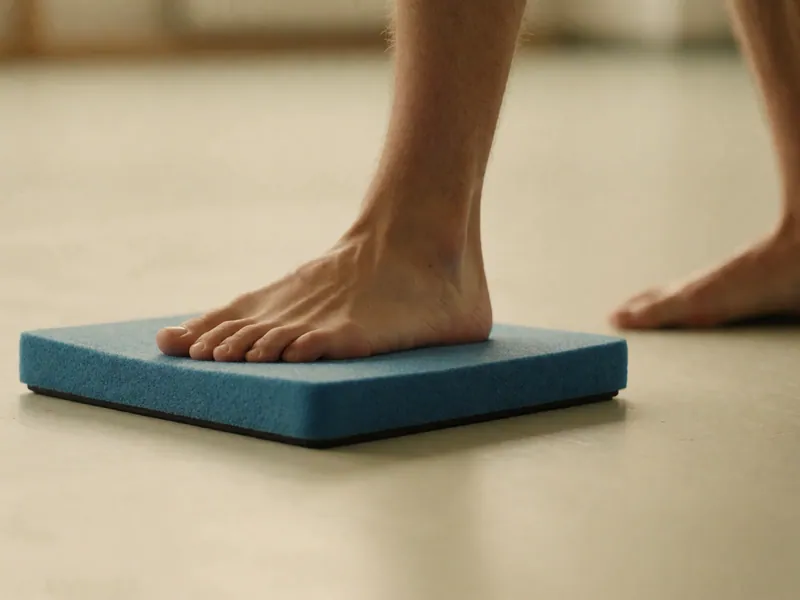
Ankle & foot
The sprain that never fully settled is the commonest thing we see here, and it is a balance problem long after it stops being a ligament problem.
6 – 12 visits
ACL reconstruction
Nine to twelve months, criteria-based, and the single rehabilitation where returning early is measurably dangerous rather than merely unwise.
30 – 50 visitsSixty minutes, one to one, with the therapist you chose
Book an appointment
The booking page shows each therapist's own diary rather than a generic grid, so a slot you can see is a slot that is genuinely free. Most people do not need a doctor's referral to start — New York's direct access law runs to ten visits or thirty days — though Workers' Compensation, No-Fault and Medicare each need one from the first visit. If you are not sure which of those you are, telephone and we will work it out before you book.