35 conditions across 5 areas
Every condition we treat
Back, neck, joint, post-surgical, neurological and programme-based physical therapy across western Queens, with the number of visits a course usually takes published beside each one. Those ranges are estimates rather than promises — but they are published before you contact anybody, which is the part this trade usually leaves out.
Every figure on this page is a number of VISITS, not a price. It is the length of course this problem usually takes, published here so that you know roughly what you are committing to before you contact anybody — an open-ended plan of care is how treatment quietly becomes a subscription. You get an estimate specific to you at the first appointment and we reassess at visit four. What each visit costs is on the pricing page, and why we do not sell blocks of visits explains the rest.
Back, neck and spine
The reason most people come here, and the area with the widest gap between what sells and what works
Back and neck problems are where this trade's habits show most: the passive machines, the open-ended plan of care, and the scan report that becomes the story somebody tells themselves about their spine for the next twenty years. These pages say what the evidence actually supports.
Physical therapy for low back pain
The most common reason anybody walks through this door, and the condition where the gap between what sells and what works is widest.
6 – 12 visits
Neck pain and stiffness
Desk necks, phone necks, slept-badly necks and the ones that are actually a shoulder. Telling them apart is most of the first appointment.
5 – 10 visits
Sciatica and referred leg pain
Pain down a leg is a symptom, not a diagnosis. Four different things cause it and they do not respond to the same treatment.
8 – 16 visits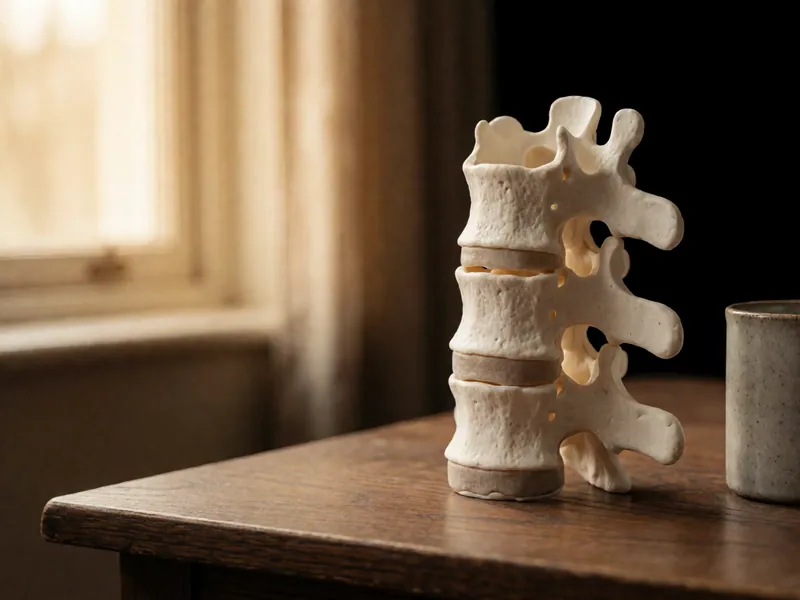
Herniated and bulging discs
The phrase that frightens people most and predicts their pain least. What the scan says, what it means, and what actually changes it.
8 – 16 visits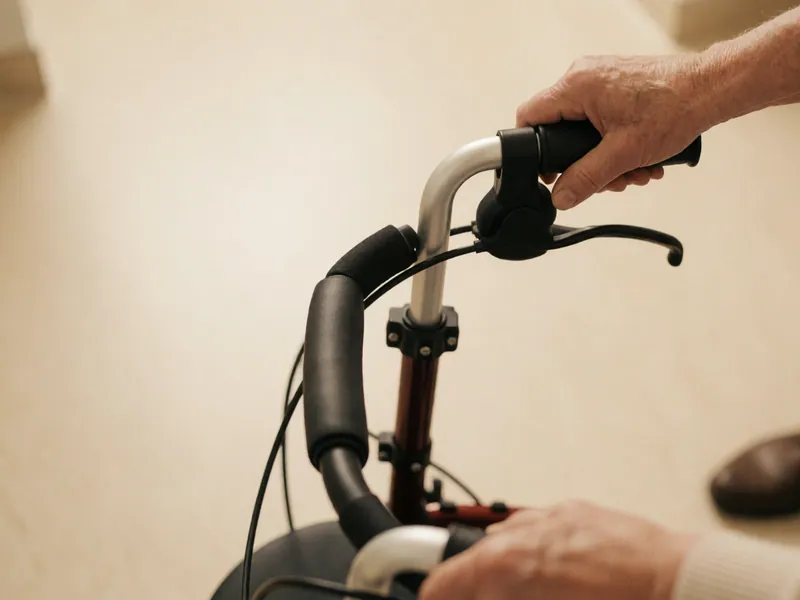
Spinal stenosis
When walking distance shrinks and leaning on a shopping trolley helps, the mechanism is specific and so is the treatment.
10 – 20 visits
Scoliosis and postural pain
Posture is a much weaker predictor of pain than the industry selling posture correction would like. Here is what the curve actually explains.
6 – 14 visits
Headaches that come from the neck
A minority of headaches are driven by the upper neck. Those respond well to physical therapy; the rest do not, and we screen for which you have.
6 – 10 visitsJoints, muscles and tendons
Load problems, mostly — which is why rest alone so reliably fails to fix them
Shoulders, knees, hips, ankles, elbows and hands. Most of what arrives here is a tissue that has been asked to do more than it currently can, and the treatment is to increase what it can do rather than to reduce what is asked of it. That is uncomfortable for a fortnight and it is the part that works.
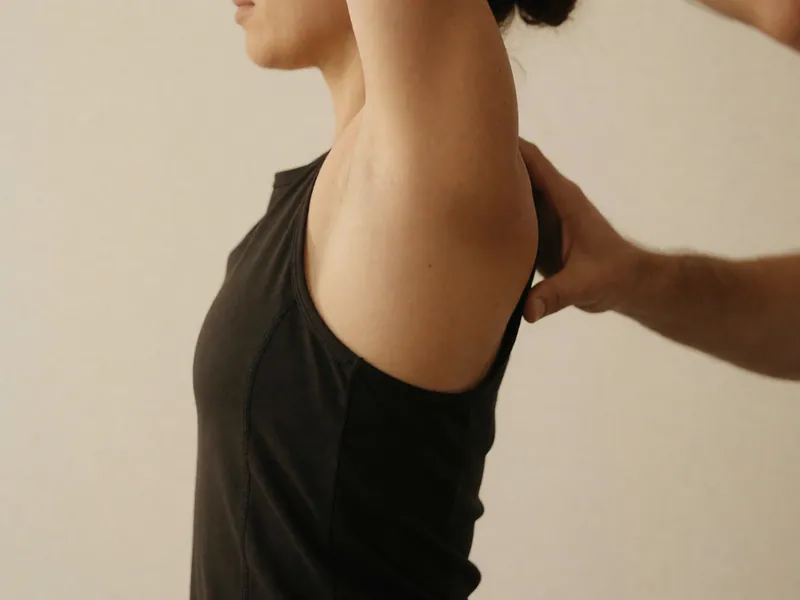
Shoulder pain
Five structures in a small space, all of which hurt in roughly the same place. The examination is what separates them.
8 – 14 visits
Rotator cuff pain and tears
A tear on a scan is not automatically the tear causing your pain, and loaded exercise beats rest for most of them.
10 – 18 visits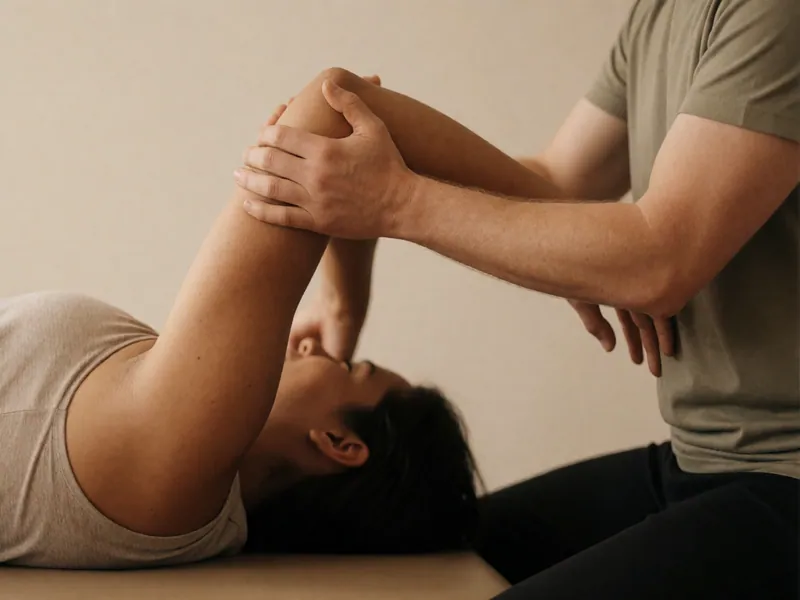
Frozen shoulder
The one condition where we will tell you at the first visit roughly how long it will take, and that the honest answer is measured in seasons.
12 – 24 visits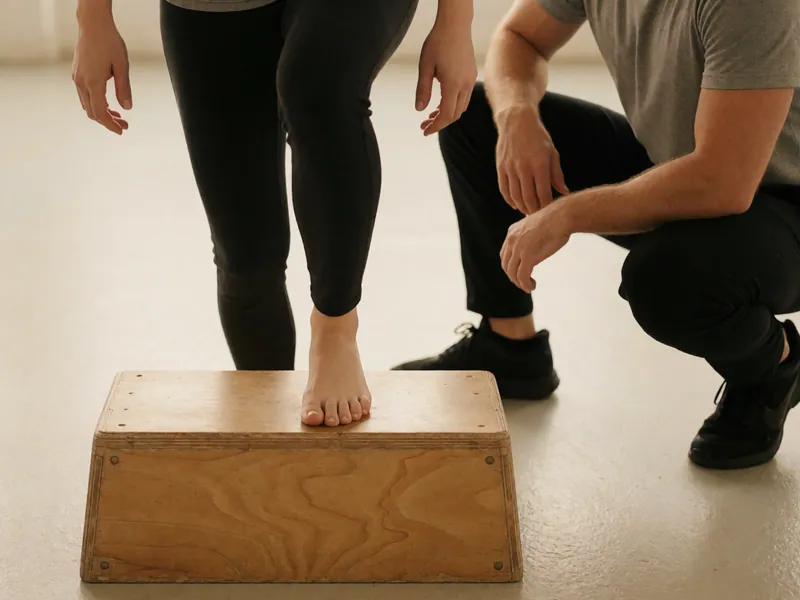
Knee pain
Stairs, kneeling, running, or the knee that hurts because of what the hip is not doing. All four get a different programme.
6 – 14 visits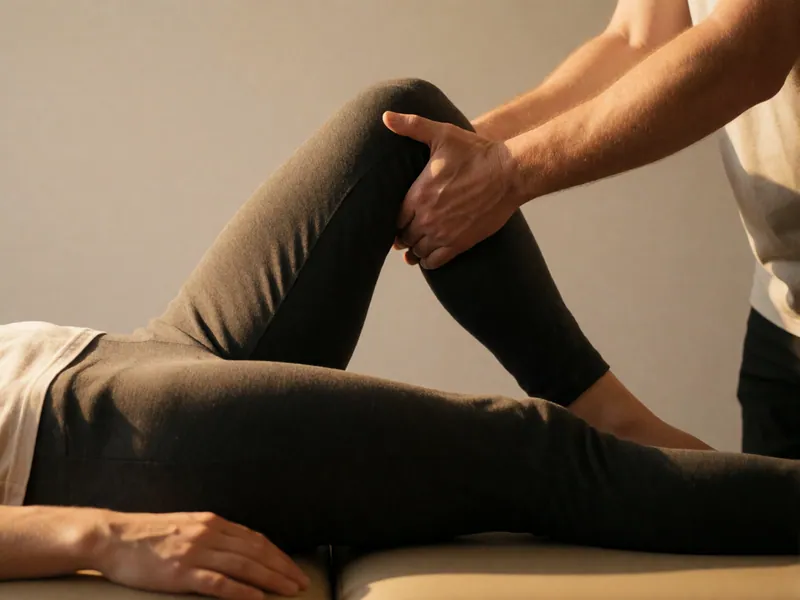
Hip and groin pain
True hip pain is felt in the groin. Pain on the outside of the hip is usually a tendon, and it is made worse by exactly the stretch people are given for it.
8 – 16 visits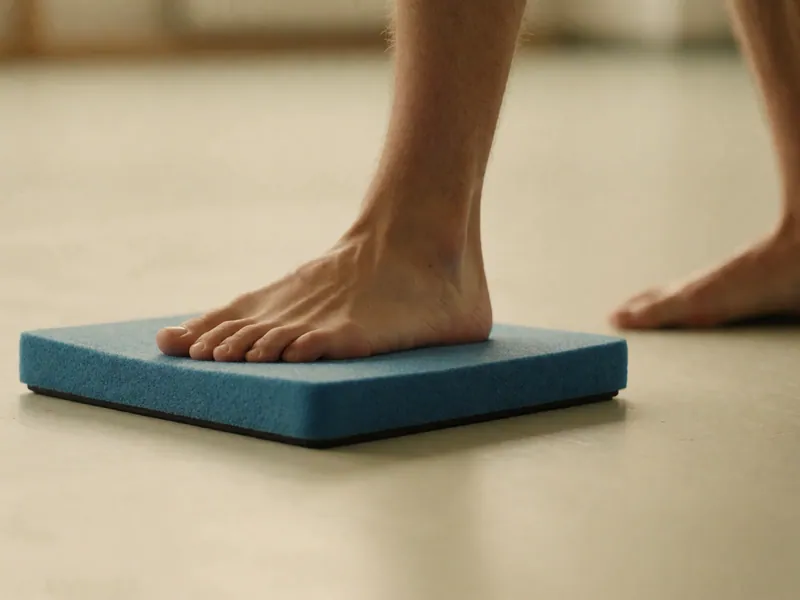
Ankle and foot pain
The sprain that never fully settled is the commonest thing we see here, and it is a balance problem long after it stops being a ligament problem.
6 – 12 visits
Plantar heel pain
Worst on the first steps out of bed, better once you are moving, back again in the evening. Slow to fix and very responsive to loading.
6 – 12 visits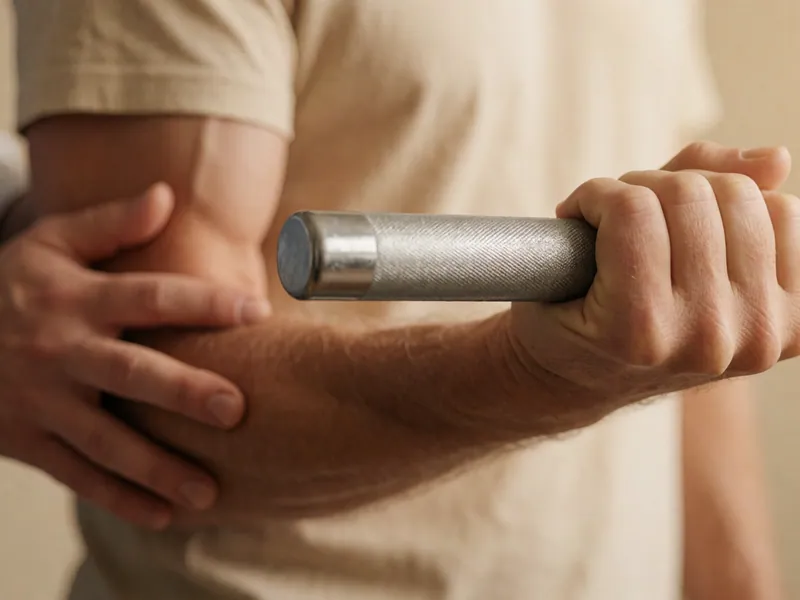
Tennis and golfer's elbow
Almost nobody who has it plays either sport. It is a load problem in the forearm tendons, and rest alone reliably fails to fix it.
6 – 12 visits
Wrist and hand pain
Carpal tunnel, thumb base arthritis, de Quervain's and the stiff hand after a cast. Small joints, high stakes for daily life.
6 – 12 visits
Muscle strains and tears
Hamstrings, calves and groins. The reinjury rate is high and it is high because people return to sport on how it feels rather than on what it can do.
6 – 14 visitsRehabilitation after surgery
The window matters, and for some of these it closes
Your surgeon decides what may be loaded and when; we work to that protocol rather than around it. The knee replacement pages say plainly that bending range not recovered in the first six weeks is very hard to get back, because that is the single most useful thing anybody can tell you beforehand.
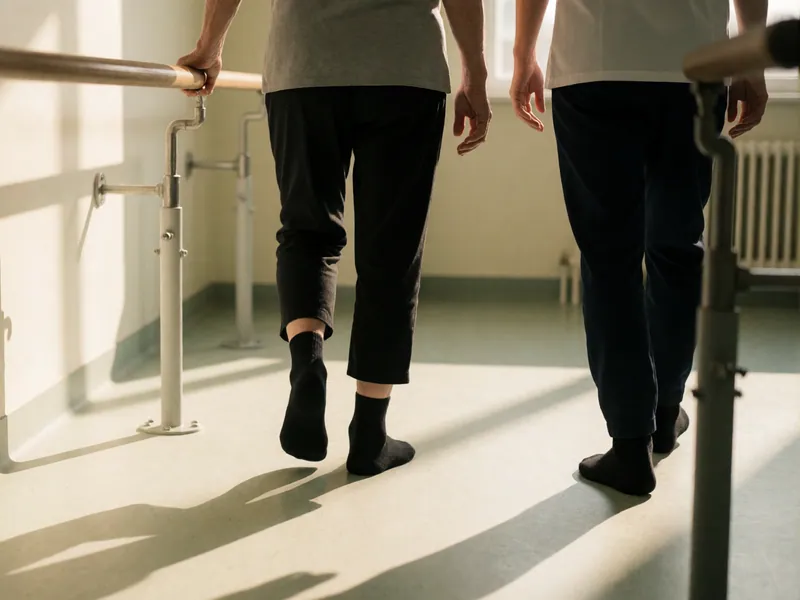
Rehabilitation after knee replacement
The first six weeks decide the range of motion you keep. This is the rehabilitation where showing up early matters most.
16 – 24 visits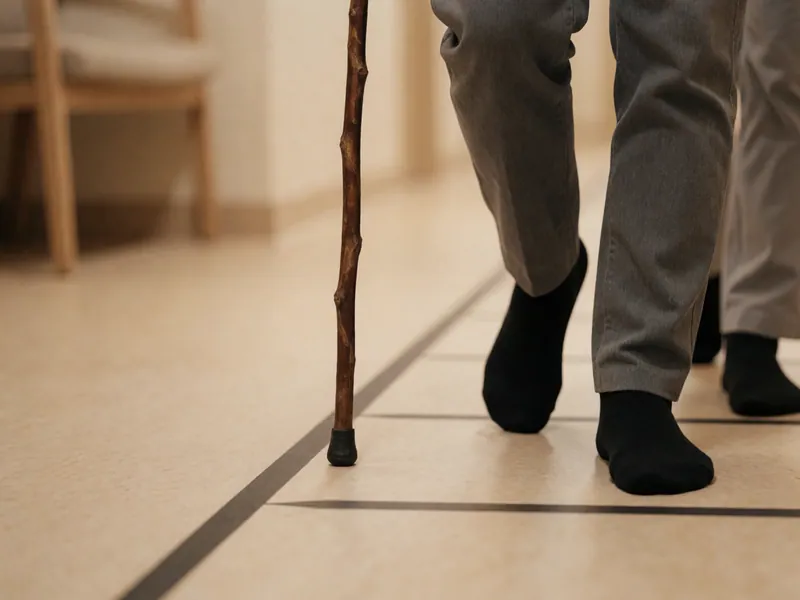
Rehabilitation after hip replacement
Faster and less painful than the knee, and the mistake here is stopping too soon because walking feels normal before the muscle has come back.
10 – 18 visits
Rehabilitation after ACL reconstruction
Nine to twelve months, criteria-based, and the single rehabilitation where returning early is measurably dangerous rather than merely unwise.
30 – 50 visits
Rehabilitation after rotator cuff repair
A repaired tendon has to be protected before it can be loaded. Getting the order wrong is how a good repair fails.
20 – 32 visits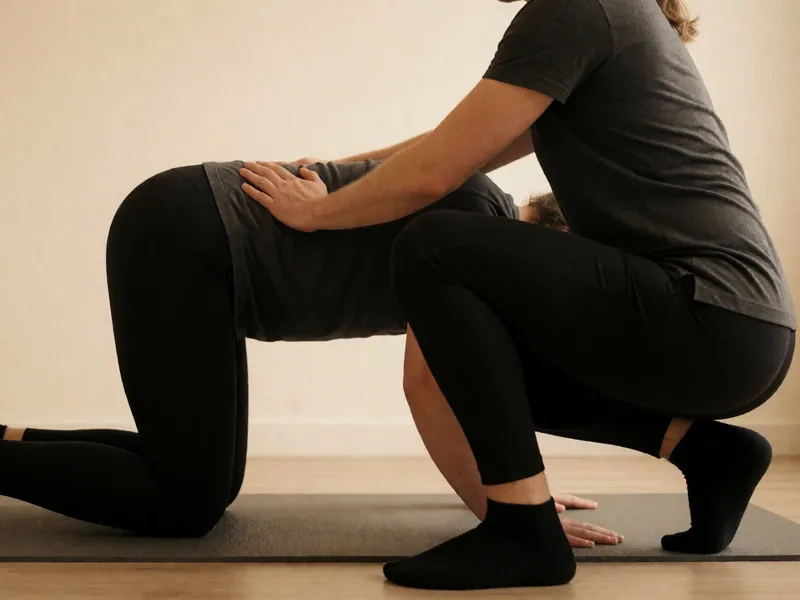
Rehabilitation after spinal surgery
Discectomy, decompression or fusion. Three different operations with three different sets of things you may not yet do.
12 – 24 visits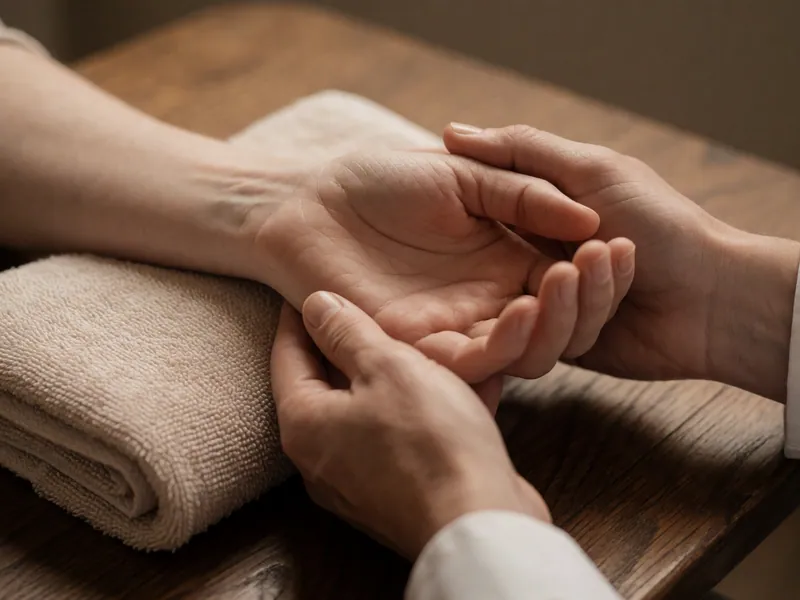
Rehabilitation after a fracture
Six weeks in a cast costs more muscle than most people expect, and the stiffness is usually the harder half of the problem.
8 – 16 visitsBalance, nerves and dizziness
Where the honest answer is sometimes one appointment
Positional vertigo is frequently fixed inside a single visit, and a clinic that books you a course of twelve for it is selling you eleven you do not need. Stroke, Parkinson's and neuropathy are the opposite — measured in months, where the active ingredient is how much you practise between visits.

Vertigo and dizziness
Most dizziness that responds to physical therapy comes from the inner ear, and most of that is treatable in very few visits.
3 – 8 visits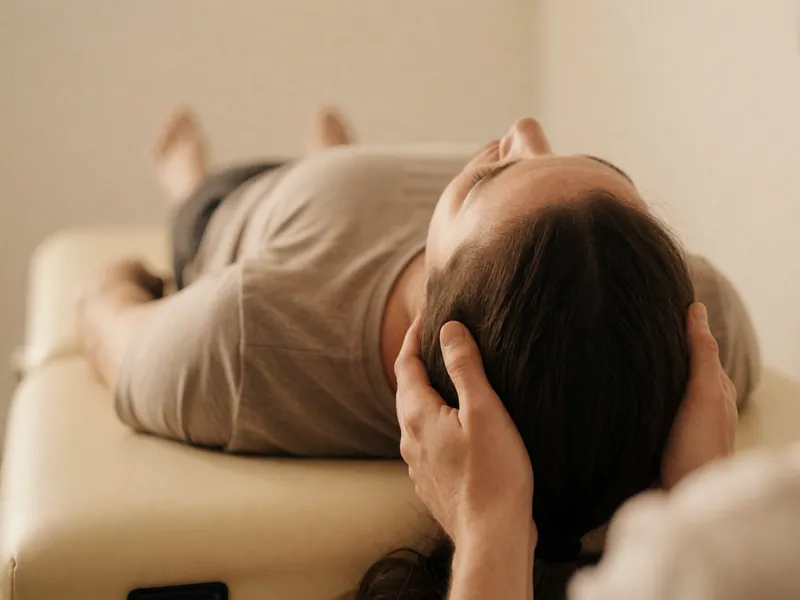
BPPV and repositioning treatment
The spinning that starts when you roll over in bed. It is caused by loose crystals in the inner ear and it is often fixed in a single appointment.
1 – 3 visits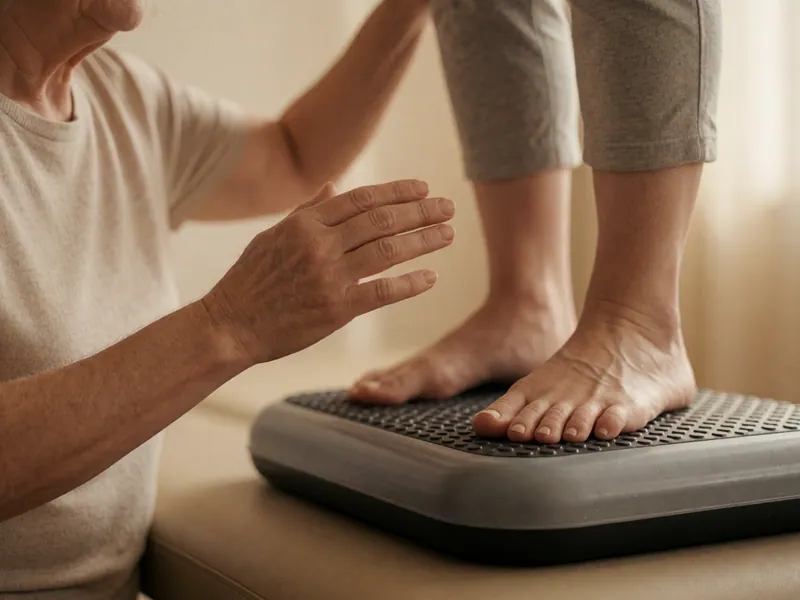
Balance and falls prevention
Falling is not a consequence of age. It is a consequence of specific, measurable and largely trainable deficits, and we measure them.
12 – 24 visits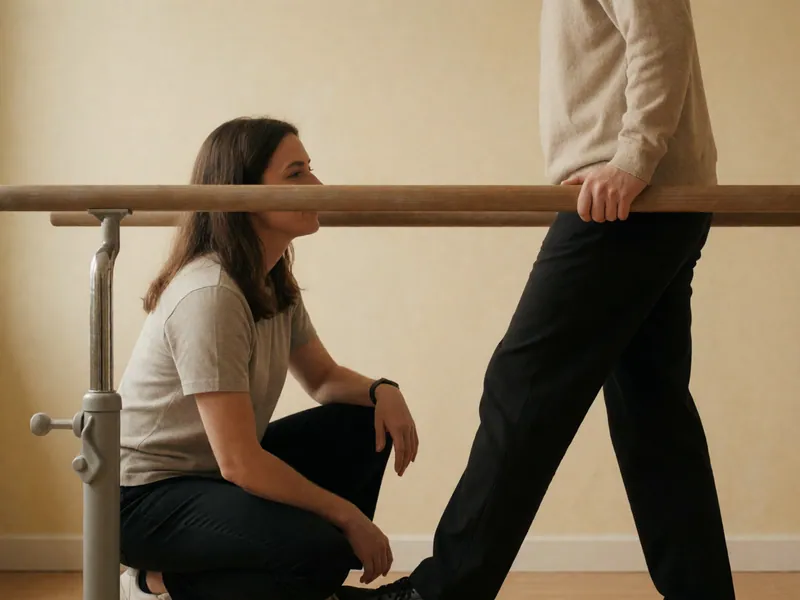
Rehabilitation after a stroke
Recovery does not stop at six months. It slows, and what happens after that depends heavily on how much you actually practise.
24 – 48 visits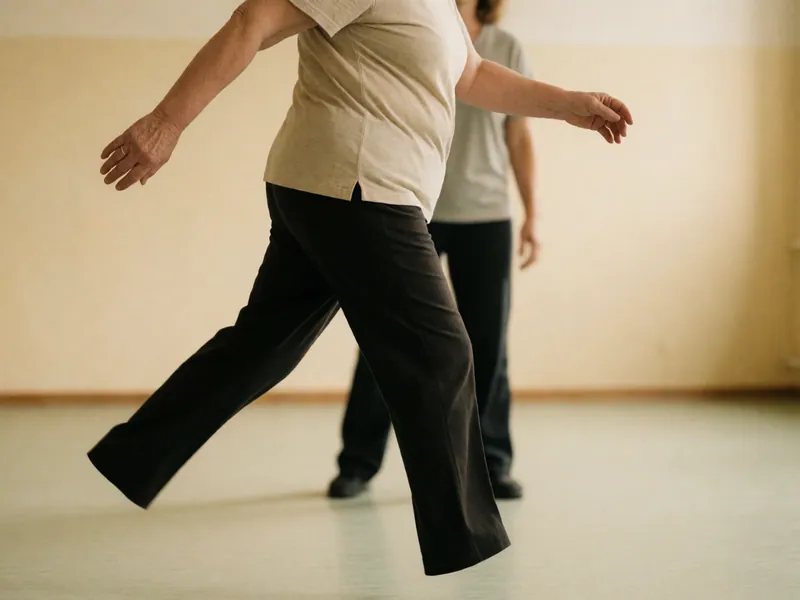
Physical therapy for Parkinson's disease
Big, effortful, deliberately exaggerated movement, practised often. It does not slow the disease and it does change what you can do.
16 – 32 visits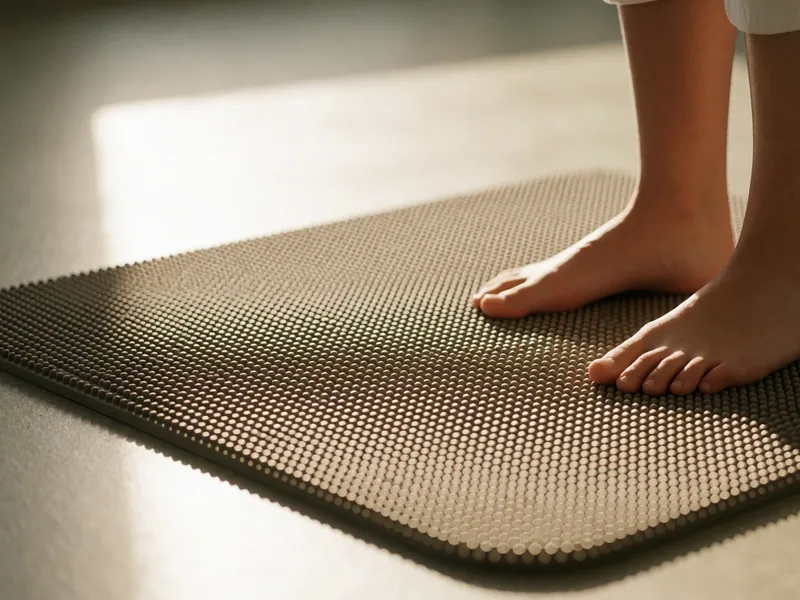
Neuropathy and nerve injury
When sensation is unreliable, balance has to be rebuilt on the senses that still work. That is trainable even when the nerve is not.
10 – 20 visitsProgrammes and populations
Rehabilitation aimed at the life you actually have to go back to
A job that cannot be modified, a sport with a pivot in it, a pelvic floor problem somebody has lived with for years, a body that is eighty and can still get considerably stronger. These pages also cover the two schemes with their own rules: Workers' Compensation and No-Fault.

Sports injury and return to play
Return is a test you pass, not a date you reach. We will tell you what the test is at the first appointment.
10 – 24 visits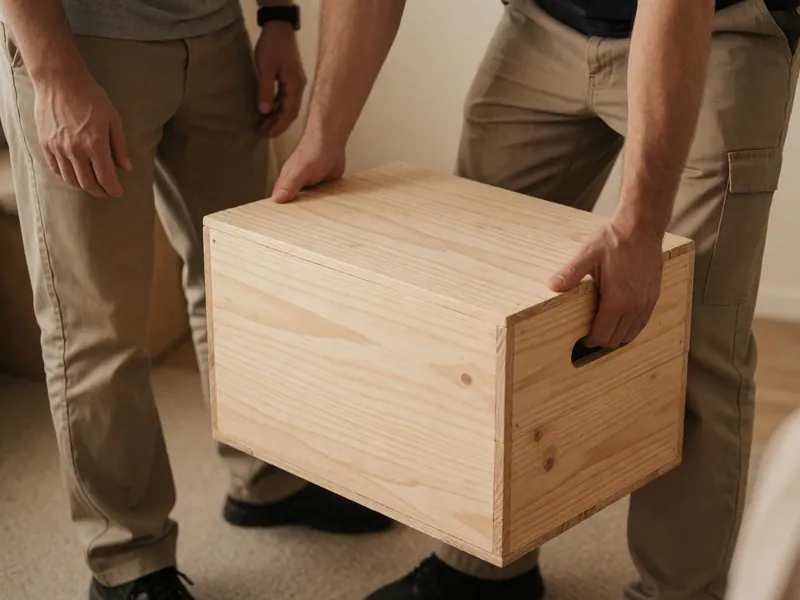
Work injury rehabilitation
Rehabilitation aimed at the job you actually do, inside the Workers' Compensation rules that govern how many visits you get.
12 visits, then PAR
Rehabilitation after a car accident
No-Fault covers this, on its own timetable and with its own paperwork. Missing the first deadline is the commonest way people lose the benefit.
Billed to No-Fault
Pelvic floor physical therapy
Leaking, pelvic pain, and recovery after childbirth or prostate surgery. Treated in a private room, by one clinician, with the door closed.
8 – 16 visits
Physical therapy for older adults
Strength training works at eighty. It works at ninety. The dose that works is heavier than almost anybody is offered.
12 – 24 visits
The persistent pain programme
For pain that has outlasted the injury. Not a cure, not a lecture about it being in your head, and not something we will pretend is quick.
12 – 20 visitsWhen to stop and see a physician the same day. Some things are not ours to treat, and the useful skill is recognising them quickly. Unexplained weight loss, night pain that does not change with position, fever with back pain, a sudden change in bladder or bowel control, progressive weakness, a history of cancer with new bone pain, or trauma with a suspected fracture all mean we stop and send you to a physician the same day. We would far rather make that call ten times unnecessarily than miss it once.
Sixty minutes, one to one, with the therapist you chose
Book an appointment
The booking page shows each therapist's own diary rather than a generic grid, so a slot you can see is a slot that is genuinely free. Most people do not need a doctor's referral to start — New York's direct access law runs to ten visits or thirty days — though Workers' Compensation, No-Fault and Medicare each need one from the first visit. If you are not sure which of those you are, telephone and we will work it out before you book.