Programmes and populations
Work injury rehabilitation
Rehabilitation aimed at the job you actually do, inside the Workers' Compensation rules that govern how many visits you get and who has to authorise them.
A work injury runs on a scheme with its own paperwork. You need a referral from a Board-authorised physician, physician assistant, nurse practitioner or podiatrist before a physical therapist may treat you — New York's direct access law does not apply here, and starting without the referral is the commonest reason a course of treatment goes unpaid.
After that, treatment follows the New York Medical Treatment Guidelines. Broadly twelve visits are authorised following an injury, with the Guidelines contemplating fewer for mild deficits and more where there is documented functional progress. Going beyond the authorisation needs a Prior Authorization Request.
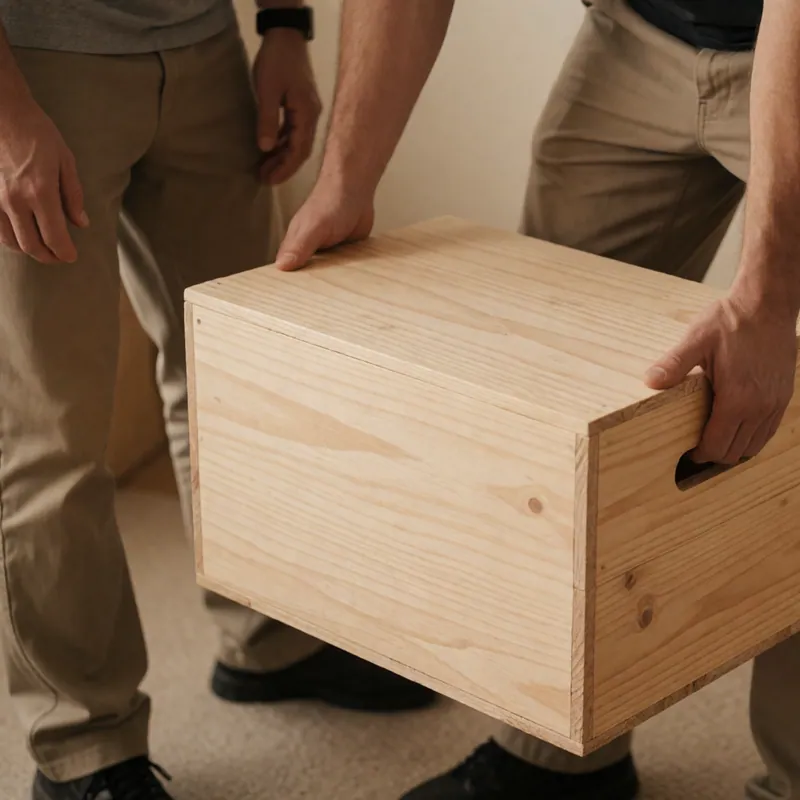
Rehabilitation built around the actual job
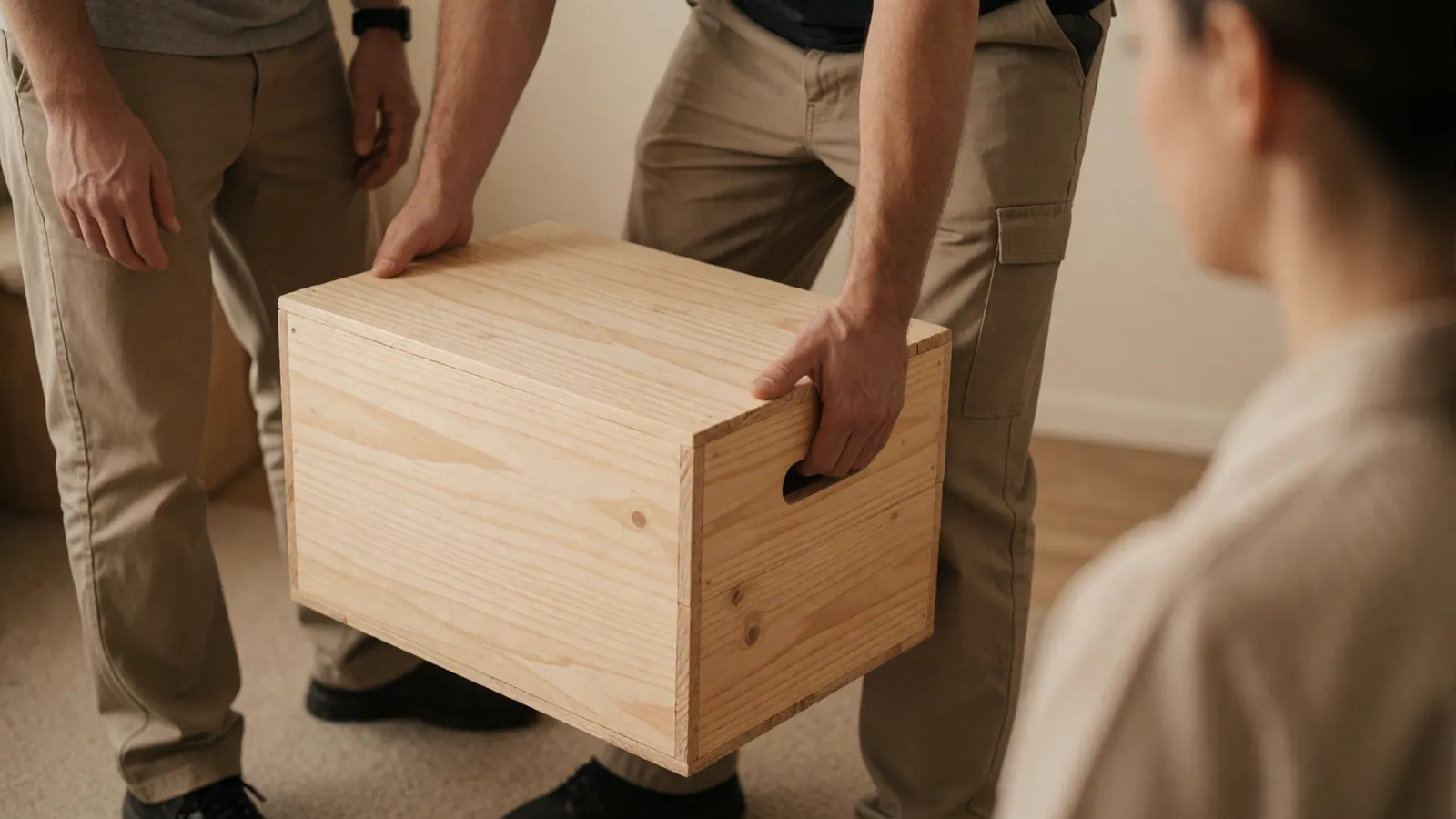
The single most useful question is what the task really is. How heavy, how high, how many times a shift, on what surface, with what recovery between. A back rehabilitated to a generic standard and returned to a job involving forty lifts an hour above shoulder height has been rehabilitated to the wrong standard.
So we ask, in detail, and where it helps we will look at photographs of the workstation or the vehicle. Maspeth and Elmhurst send us a great deal of work that cannot be modified to a desk, and training for the real demand is the only version that holds.
The paperwork, done and reported
We file the Prior Authorization Request when the authorised visits are running out, we tell you the day it went, and we tell you the day it comes back — including when it comes back refused.
Documentation in this scheme is the currency: continued treatment depends on demonstrating objective functional improvement, which is why the measurements taken at the first visit matter more here than for a self-paying patient.
What we will not do
We will not tell you what to say to an adjuster or an independent medical examiner. What goes in the file is what we measured and what you reported.
We will not extend a course because a case is open. If you are better at visit seven of an authorised twelve, you are discharged at visit seven and the records will say why.
And we will not begin without the referral the scheme requires, however keen everybody is to start. Beginning without it is how a course ends up unpaid, and the person carrying that is usually you.
Returning to work in stages
A graded return — reduced hours, restricted duties, then full — is usually better than a binary one, and whether it is available depends on your employer as much as on your recovery.
We will write clearly what you can and cannot currently do, in terms an employer can act on: weights, heights, frequencies and durations rather than adjectives.
Comp and No-Fault need a referral from the first visit. Workers' Compensation and No-Fault run on their own rules and direct access does not reach either. Both need a referral from an authorised provider before the first visit. Comp treatment follows the New York Medical Treatment Guidelines, which broadly authorise twelve visits after an injury; going beyond that needs a Prior Authorization Request with documented functional improvement behind it. We file that paperwork, we tell you when it has been filed, and we tell you when it has been refused.
Included as standard
How we treat this
The real task established in detail
Weight, height, frequency, surface, recovery. A back rehabilitated to a generic standard returns to a job that is not generic.
Objective measurements from visit one
Continued authorisation depends on demonstrating functional improvement, so the baseline matters more here than anywhere.
The PAR filed and reported
The day it goes and the day it returns, including when it returns refused.
Restrictions written in units an employer can act on
Weights, heights, frequencies and durations rather than adjectives like 'light duties'.
Discharge when you are better
Not when the authorisation runs out. If you are better at visit seven of twelve, that is where it ends.
No coaching for examinations
What goes in the file is what we measured and what you reported. We will not tell you what to say to an adjuster.
When to make an appointment
Signs this is worth an assessment
- You have been injured at work and have a referral from a Board-authorised provider.
- You are approaching the end of your authorised visits and nobody has mentioned a PAR.
- You are being returned to full duties and do not believe you are ready.
- Your job cannot be modified and you need to be rehabilitated to the real demand.
- You want restrictions written in terms your employer can actually act on.
- You have been treated for weeks with no measured change and want a second view.
Work injury — how long a course usually takes
- The New York Medical Treatment Guidelines broadly authorise twelve visits after an injury. Continuing beyond that needs a Prior Authorization Request supported by documented functional gain.12 visits, then PAR
This is a typical number of visits for this problem, not a quote and not a promise. You get an estimate specific to you, in writing, at the first appointment, and we reassess against the same measurements at visit four rather than at visit ten — so a course that is not working gets changed or stopped instead of extended. What each visit costs is published on the pricing page: $190 for the initial evaluation and $140 for a treatment visit if you are paying yourself, or your plan's copay if you are not. We do not sell blocks of visits in advance.
Questions we are actually asked
Work injury — frequently asked
Do I need a referral for Workers' Compensation physical therapy?
Yes, from the first visit — from a Board-authorised physician, physician assistant, nurse practitioner or podiatrist. New York's direct access law does not apply to Workers' Compensation, and starting without the referral is the commonest way a course of treatment ends up unpaid.
How many visits does Workers' Comp authorise?
Broadly twelve after an injury under the New York Medical Treatment Guidelines, though the Guidelines contemplate a range — as few as two or three for mild deficits, twelve to fifteen for more severe ones, and more where functional progress is documented. Beyond the authorisation a Prior Authorization Request is required, which we file and report to you either way.
What happens if the PAR is refused?
We tell you, immediately, and explain what the options are: continuing at your own cost, a home programme with periodic review, or going back to your treating provider about the refusal. What we will not do is quietly stop and leave you to work out why.
Will you write my work restrictions?
We will document what you can and cannot currently do in terms an employer can act on — weights, heights, frequencies and durations rather than 'light duties'. The formal restrictions and the return-to-work decision sit with your treating physician.
Can I be treated here if my job cannot be modified?
Yes, and it changes the programme rather than ruling it out. If the task cannot be made lighter, the person has to be made more capable of it, which means training the actual demand — the real weight, the real height, the real frequency.
Related conditions
Often seen alongside this

Car accident
No-Fault covers this, on its own timetable and with its own paperwork. Missing the first deadline is the commonest way people lose the benefit.
Billed to No-Fault
Low back pain
The most common reason anybody walks through this door, and the condition where the gap between what sells and what works is widest.
6 – 12 visits
Elbow tendon pain
Almost nobody who has it plays either sport. It is a load problem in the forearm tendons, and rest alone reliably fails to fix it.
6 – 12 visits
Strains & tears
Hamstrings, calves and groins. The reinjury rate is high and it is high because people return to sport on how it feels rather than on what it can do.
6 – 14 visitsSixty minutes, one to one, with the therapist you chose
Book an appointment
The booking page shows each therapist's own diary rather than a generic grid, so a slot you can see is a slot that is genuinely free. Most people do not need a doctor's referral to start — New York's direct access law runs to ten visits or thirty days — though Workers' Compensation, No-Fault and Medicare each need one from the first visit. If you are not sure which of those you are, telephone and we will work it out before you book.