
Joints, muscles and tendons
Plantar heel pain
Worst on the first steps out of bed, better once you are moving, back again in the evening. Slow to fix and genuinely responsive to loading.
The pattern is unmistakable: sharp pain under the heel on the first few steps in the morning, easing within a few minutes of walking, returning after periods of sitting and again at the end of a long day on your feet.
It is a tissue-load problem rather than an inflammation, which is why the name most people know it by is slightly misleading and why anti-inflammatory approaches alone tend to disappoint. What it responds to is graded loading and a reduction in the specific spikes that provoke it.

Why it is slow
Fascia and tendon tissue changes over three to six months, and no amount of clinic attendance accelerates that biology. A course here is six to twelve visits spread across that period rather than compressed into six weeks, because the visits are for teaching, progressing and troubleshooting rather than for the tissue changing while you are in the room.
Setting that expectation at the first appointment matters more here than almost anywhere, because people abandon this one at week five convinced it is not working.
What actually helps early
Load management. Identifying the specific spike — the new job on your feet, the increase in running, the summer of flat sandals — and reducing it temporarily while capacity is built.
Calf and foot loading, progressive and heavy enough to matter. High-load strength work has a good evidence base here and it is substantially more effective than the gentle stretching most people are given.
Footwear with some cushioning and support during the worst of it, which is a comfort measure and helps a lot of people get through the day.
And a first-step strategy: a short routine before your feet hit the floor makes the worst thirty seconds of the day considerably better.
Things worth asking about, and things not
Orthotics help some people, particularly in the short term, and we will tell you honestly when we think it is worth trying. What we will not do is sell you a pair.
Injection is worth a physician's view where pain is severe and persistent, with the caveat that repeated corticosteroid injections around this tissue carry their own risks.
Shockwave therapy has a reasonable evidence base for recalcitrant cases and we will say if we think you are one. We do not provide it here.
Nothing here is a promise that treatment will work. Nothing on this site is a promise that treatment will work. Physical therapy has good evidence behind it for a great many musculoskeletal problems and poor evidence for a few of the things it is sold for, and we would rather tell you which of those you have than take the appointment either way. We publish no success rate, no star rating and no before-and-after photographs, because a clinic that chooses which outcomes to show is not reporting outcomes.
Included as standard
How we treat this
The load spike identified
New job on your feet, an increase in running, a summer of flat shoes. Finding it is half the treatment.
High-load strength work
Substantially better evidence than the gentle stretching most people are handed, and it is what changes capacity.
A first-step routine
A short sequence before your feet hit the floor makes the worst thirty seconds of the day considerably better.
Honest timescales at visit one
Three to six months of tissue change. People abandon this at week five convinced it has failed, and that is avoidable.
Footwear advice, with nothing to sell
Cushioning and support help many people through the worst of it. We do not stock orthotics and will not sell you a pair.
A view on injection and shockwave
Both are worth asking about in stubborn cases. We will tell you when we think you are one, and neither happens here.
When to make an appointment
Signs this is worth an assessment
- Sharp heel pain on the first few steps in the morning, easing as you walk.
- It returns after you have been sitting, and again at the end of a long day.
- It has lasted more than a month.
- It started after a change — a new job, more running, different shoes.
- You have been stretching it gently for weeks with little change.
- It is starting to change how you walk, and now your knee or hip aches too.
Plantar heel pain — how long a course usually takes
- A typical course, spread over three to six months because tendon and fascia tissue changes on that timescale regardless of how often you attend.6 – 12 visits
This is a typical number of visits for this problem, not a quote and not a promise. You get an estimate specific to you, in writing, at the first appointment, and we reassess against the same measurements at visit four rather than at visit ten — so a course that is not working gets changed or stopped instead of extended. What each visit costs is published on the pricing page: $190 for the initial evaluation and $140 for a treatment visit if you are paying yourself, or your plan's copay if you are not. We do not sell blocks of visits in advance.
Questions we are actually asked
Plantar heel pain — frequently asked
How long does plantar heel pain take to resolve?
Three to six months in most cases, with six to twelve visits spread across that period. The tissue changes on that timescale regardless of how often you attend. We set that expectation at the first appointment because people abandon this one at week five convinced it has failed.
Should I rest my foot?
Not completely. Plantar heel pain is a load problem, and the answer is to reduce the specific spike that provoked it while building capacity with progressive loading. Complete rest produces a weaker foot and the same pain on return.
Do stretches help plantar fasciitis?
A little, and considerably less than high-load strength work, which has the better evidence. Gentle stretching is what most people are given and it is why so many courses of self-treatment stall. We load it properly instead.
Do I need orthotics?
Some people benefit, particularly in the short term, and we will say honestly when we think it is worth trying. We do not stock them and we will not sell you a pair — a clinic with a shelf of orthotics has a reason to recommend orthotics.
What about a steroid injection?
Worth asking a physician about where pain is severe and persistent, with the caveat that repeated corticosteroid injections around this tissue carry their own risks. We do not inject, and we will tell you when we think the conversation is worth having.
Related conditions
Often seen alongside this
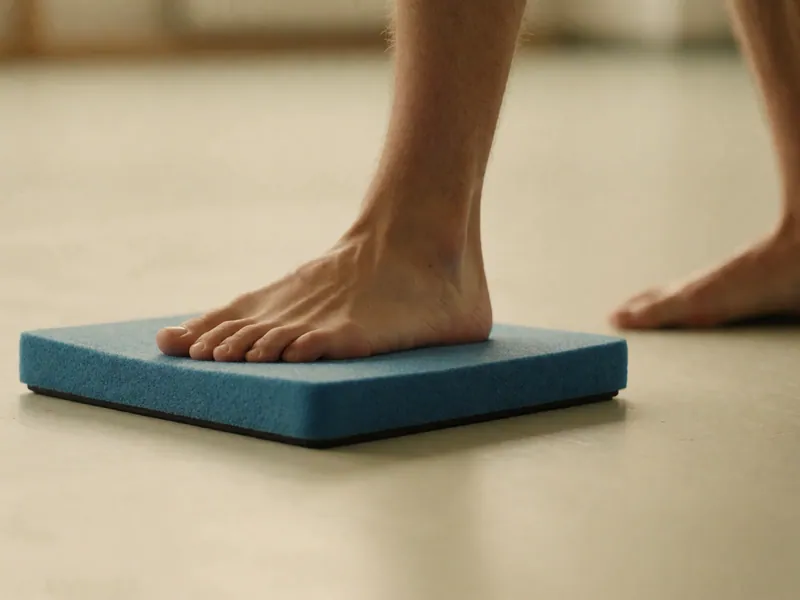
Ankle & foot
The sprain that never fully settled is the commonest thing we see here, and it is a balance problem long after it stops being a ligament problem.
6 – 12 visits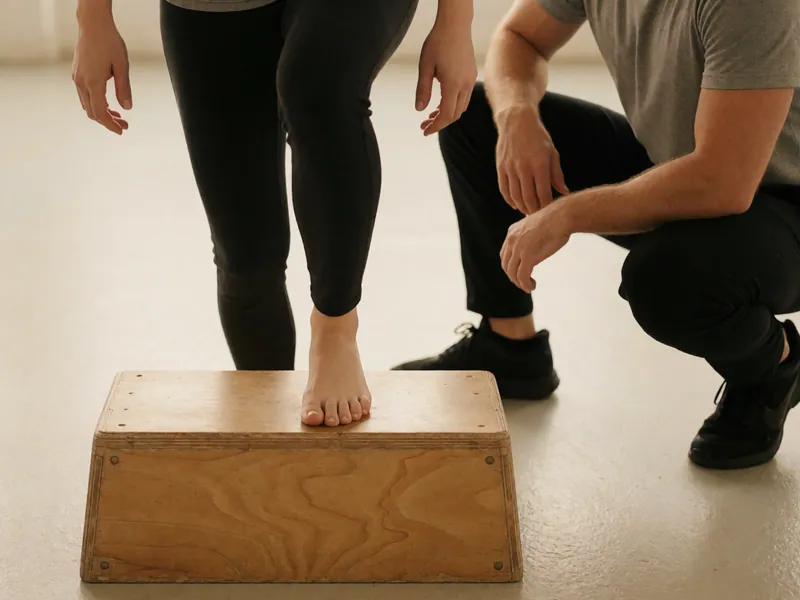
Knee pain
Stairs, kneeling, running, or the knee that hurts because of what the hip is not doing. All four get a different programme.
6 – 14 visits
Sports injury
Return is a test you pass, not a date you reach. We will tell you what the test is at the first appointment.
10 – 24 visits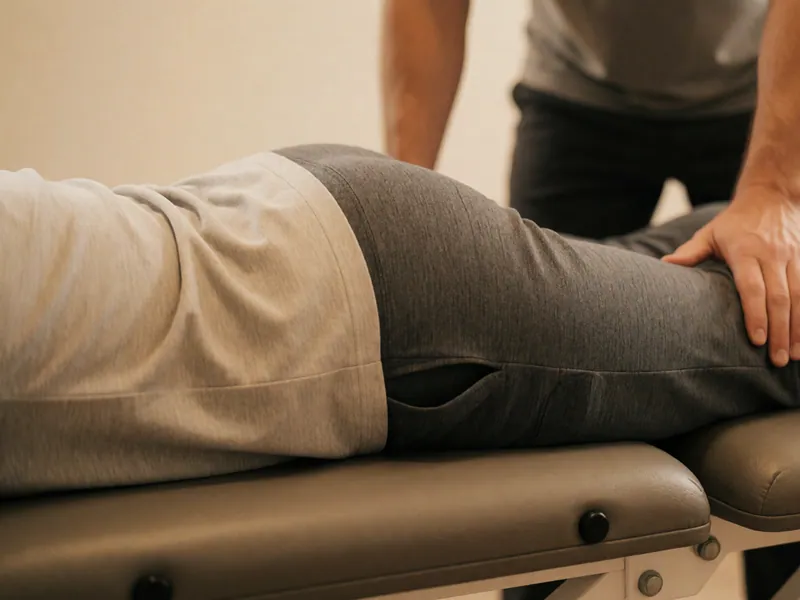
Strains & tears
Hamstrings, calves and groins. The reinjury rate is high and it is high because people return to sport on how it feels rather than on what it can do.
6 – 14 visitsSixty minutes, one to one, with the therapist you chose
Book an appointment
The booking page shows each therapist's own diary rather than a generic grid, so a slot you can see is a slot that is genuinely free. Most people do not need a doctor's referral to start — New York's direct access law runs to ten visits or thirty days — though Workers' Compensation, No-Fault and Medicare each need one from the first visit. If you are not sure which of those you are, telephone and we will work it out before you book.