Physical therapy in Woodside, NY
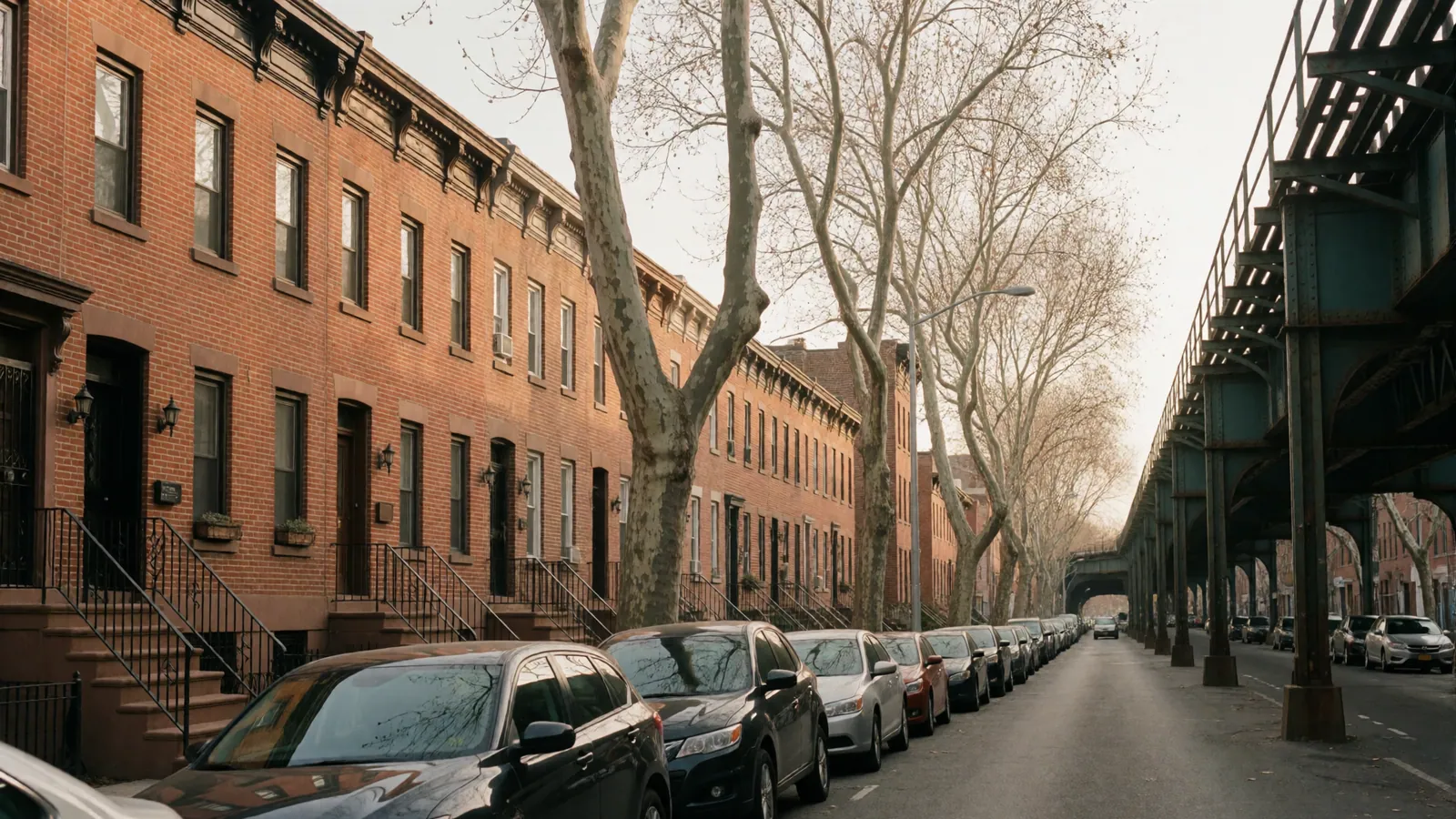
Our own neighbourhood, and the walk-in radius. Woodside is two- and three-family houses from between the wars with steep interior stairs and a dense commercial strip under the 7, and those stairs are the single most useful thing we know about a local patient's rehabilitation. A knee replacement discharged to a first-floor walk-up with fourteen risers and no handrail needs a different programme from one discharged to an elevator building, and we ask about that at the first visit rather than at the last.
Physical therapy in Sunnyside, NY
Sunnyside Gardens and the blocks around it, which are largely walk-ups with narrow stair turns. A great deal of our post-surgical work here is about the specific geometry of getting home — a turn too tight for a walker, a landing with nowhere to rest. We train on stairs of the right height rather than on generic ones, and where somebody genuinely cannot manage the return home yet, we say so before the discharge date rather than after it.
Physical therapy in Astoria, NY
A younger, more athletic caseload than the rest of the list: running injuries, gym injuries and the shoulder problems that come from starting a barbell programme from the internet. Most of it is load management rather than damage, and most of it needs somebody to say plainly that the answer is not resting until it stops hurting — which is what the internet said, and is the reason it has now lasted five months.
Physical therapy in Jackson Heights, NY
The most linguistically diverse square mile in the city, and the reason five languages are listed on our team page rather than one. Explaining a home exercise programme is the treatment; a programme explained in a language somebody is merely coping in is a programme that will not be followed properly. Where we cannot cover a language between us we will arrange it rather than proceed and hope.
Physical therapy in Elmhurst, NY
Dense, and served by a major hospital, so a large share of what reaches us here is post-operative and arrives with a surgeon's protocol attached. We work to that protocol rather than around it, and where we think a restriction is holding somebody back we telephone the surgeon rather than quietly ignoring it. Elmhurst also sends us the most Workers' Compensation work, which has its own timetable.
Physical therapy in Maspeth, NY
Industrial, and it shows in the caseload: lifting injuries, shoulders, and backs belonging to people whose job cannot be modified to a desk. Rehabilitation aimed at a job somebody is not going to be able to do differently has to be built around the actual task, so we ask what the load is, how high it goes and how many times a shift, and we train that.
Physical therapy in Long Island City, NY
Newer buildings, lifts, and a desk-bound population with the neck and shoulder problems that follow. The useful thing to know about LIC is that most of these patients can do their exercises at work and will, if the programme is short enough to fit between meetings. Three things done daily beat eleven things done on Sunday.
Physical therapy in Rego Park, NY
An older population than the neighbourhoods to the north, and a lot of balance, falls and joint replacement work. Falls prevention is dose-dependent — the programmes with evidence behind them involve months of genuine balance challenge rather than a leaflet and a wobble cushion — so a course here is usually longer and we say that at the outset.
Physical therapy in Corona, NY
A young, hard-working caseload where the barrier is almost never motivation and almost always the timetable. This is who the seven o'clock and the Saturday appointments exist for, and it is why we front-load the hands-on work when a plan's visit cap is tight: the arithmetic of a course has to fit the life it belongs to.
Physical therapy in Middle Village, NY
Quieter, more owner-occupied, and a steady stream of knee and hip replacements from the local orthopaedic lists. The first six weeks after a knee replacement decide the bending range somebody keeps for good, so we would rather see a Middle Village patient three times a week early and taper than spread the same visits evenly and lose the window.
Physical therapy in Ridgewood, NY
Split between old Queens housing stock and a newer arriving population, with a caseload to match: long-standing back problems in people who have had them for twenty years, alongside acute sports and cycling injuries. The former group have usually been treated before, often passively, and the first appointment is mostly undoing what they were told about their spine.
Physical therapy in Forest Hills, NY
The furthest of the twelve, and the most likely to arrive with a folder of imaging and a specific surgical question. A fair share of that work is a second opinion on whether an operation is needed at all — and the honest answer is sometimes yes. We will tell you when we think the surgeon is right, because a physical therapy practice that never recommends surgery is not being conservative, it is being commercial.