
Rehabilitation after surgery
Rehabilitation after spinal surgery
Discectomy, decompression or fusion. Three different operations with three different sets of things you may not yet do, and treating them the same is how people get hurt.
The three common lumbar operations have quite different rehabilitation profiles. A discectomy removes material pressing on a nerve and recovery is usually comparatively quick. A decompression opens the space the nerves travel through and the main task afterwards is rebuilding walking tolerance. A fusion joins segments together and the bone has to heal, which changes both the timeline and the restrictions substantially.
So the first thing we need is which operation you had and what your surgeon has specified. Not the general category — the specific procedure and the specific restrictions.

After a discectomy
Frequently the fastest of the three. Nerve symptoms often improve immediately, and the task is rebuilding the trunk and hip strength lost during the months of pain beforehand, plus a graded return to bending and lifting.
The trap is feeling well quickly and returning to full activity before the tissue and the strength are ready. Reherniation is not rare and the highest-risk period is early.
After a decompression
The nerve symptoms typically settle and the walking distance does not immediately follow, because a person who has been unable to walk far for two years is deconditioned as well as stenotic.
So the programme is a graded walking progression plus general strengthening, and progress is measured in distance rather than in symptoms — the same measure as before the operation.
After a fusion
Slower, and with restrictions that persist for months while the bone fuses. Bending, lifting and twisting limits are set by the surgeon and they are not advisory.
Early work is walking, posture and the limbs. Trunk strengthening comes much later than it does after the other two, and the adjacent segments — the ones above and below the fusion — become a long-term consideration worth training deliberately.
What is common to all three
Your operating surgeon sets the restrictions and the start date. We work to their protocol and telephone them where we disagree.
And the thing nobody warns people about: back surgery relieves the nerve compression it was aimed at and does not by itself restore capacity. Somebody who has been guarding their back for two years has two years of deconditioning to undo, and that is the part physical therapy is actually for.
Your plan's visit cap, checked before you start. Most commercial plans cap physical therapy visits per calendar year, and the cap is frequently lower than the course of treatment a condition needs. We check your benefit before the first visit rather than after the sixth, we tell you the number, and we plan the course around it — front-loading the hands-on work and handing you more of the programme to run yourself if the arithmetic says we should.
Included as standard
How we treat this
The specific procedure identified
Not the category. Discectomy, decompression and fusion have materially different restrictions and timelines.
The surgeon's restrictions treated as binding
Particularly after fusion, where bending, lifting and twisting limits persist for months while bone heals.
Walking distance as the measure after decompression
The same measure as before the operation, because deconditioning does not resolve when the nerve does.
Reherniation risk explained after discectomy
The highest-risk period is early and it coincides with feeling well, which is exactly the trap.
Adjacent segments trained after fusion
The levels above and below become a long-term consideration and are worth deliberate attention.
Deconditioning treated as the main task
Surgery relieves compression; it does not restore capacity. Two years of guarding is two years to undo.
When to make an appointment
Signs this is worth an assessment
- You have spinal surgery booked and want to prepare and know what follows.
- You have been released by your surgeon and given no structured programme.
- Your nerve pain resolved but you are weak and cannot do what you used to.
- You had a decompression and your walking distance has not improved as much as you hoped.
- You are post-fusion and unsure what you are allowed to do at each stage.
- You are worried about reherniating and want a graded way back to lifting.
Spine surgery — how long a course usually takes
- A typical course, beginning when your surgeon releases you. Fusion rehabilitation starts later and moves more slowly than decompression, and we work to the operating surgeon's restrictions.12 – 24 visits
This is a typical number of visits for this problem, not a quote and not a promise. You get an estimate specific to you, in writing, at the first appointment, and we reassess against the same measurements at visit four rather than at visit ten — so a course that is not working gets changed or stopped instead of extended. What each visit costs is published on the pricing page: $190 for the initial evaluation and $140 for a treatment visit if you are paying yourself, or your plan's copay if you are not. We do not sell blocks of visits in advance.
Questions we are actually asked
Spine surgery — frequently asked
When can I start physical therapy after back surgery?
When your surgeon releases you, which differs by procedure — often within a few weeks after a discectomy or decompression, and considerably later after a fusion. Bring the discharge paperwork so we are working to their protocol rather than to a general one.
How long is rehabilitation after spinal surgery?
Typically twelve to twenty-four visits, with fusion running longer and starting later than discectomy or decompression. The main task in all three is undoing the deconditioning that built up during the months or years of pain beforehand.
Why am I still weak after successful back surgery?
Because the operation relieved the nerve compression it was aimed at and did not restore your capacity. Somebody who has guarded their back for two years has two years of lost strength and tolerance, and rebuilding that is what physical therapy is actually for.
Can I reherniate after a discectomy?
It happens, and the highest-risk period is early — which unfortunately coincides with feeling well and wanting to resume everything. A graded return to bending and lifting, rather than an abrupt one, is the part that manages that risk.
What are the restrictions after a spinal fusion?
Limits on bending, lifting and twisting that persist for months while the bone fuses, set by your surgeon based on the levels involved and the technique. They are not advisory, and we work to what your surgeon specified rather than to a general protocol.
Related conditions
Often seen alongside this
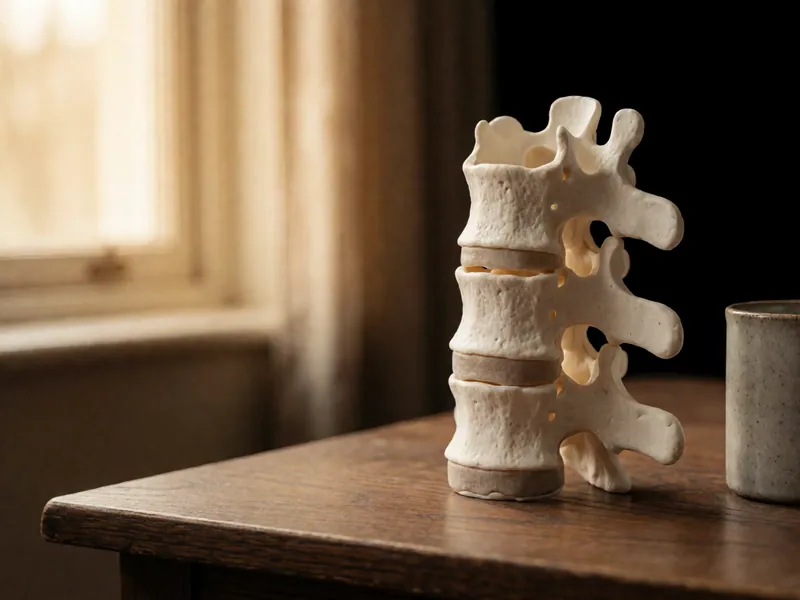
Herniated disc
The phrase that frightens people most and predicts their pain least. What the scan says, what it means, and what actually changes it.
8 – 16 visits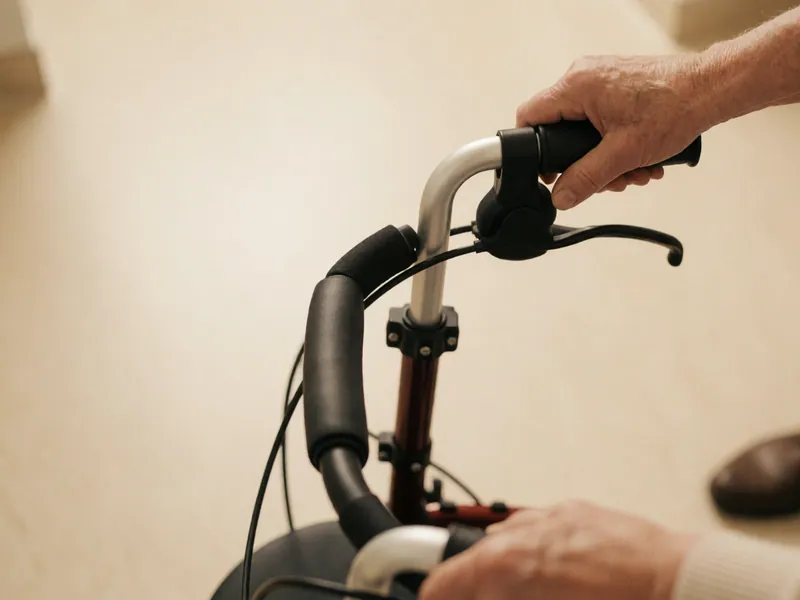
Spinal stenosis
When walking distance shrinks and leaning on a shopping trolley helps, the mechanism is specific and so is the treatment.
10 – 20 visits
Low back pain
The most common reason anybody walks through this door, and the condition where the gap between what sells and what works is widest.
6 – 12 visits
Fracture rehab
Six weeks in a cast costs more muscle than most people expect, and the stiffness is usually the harder half of the problem.
8 – 16 visitsSixty minutes, one to one, with the therapist you chose
Book an appointment
The booking page shows each therapist's own diary rather than a generic grid, so a slot you can see is a slot that is genuinely free. Most people do not need a doctor's referral to start — New York's direct access law runs to ten visits or thirty days — though Workers' Compensation, No-Fault and Medicare each need one from the first visit. If you are not sure which of those you are, telephone and we will work it out before you book.