
Rehabilitation after surgery
Rehabilitation after a fracture
Six weeks in a cast costs more muscle than most people expect, and the stiffness is usually the harder half of the problem.
The bone healing is the part everybody focuses on and it is generally the part that goes well. What arrives here is the aftermath: a joint that has been immobilised and no longer moves, muscle that has wasted noticeably, and in the case of a wrist or an ankle, a limb that has forgotten how to do its job.
Wrist and ankle fractures make up most of what we see, and both need range before they need strength — a stiff joint cannot be strengthened usefully through a range it does not have.

What immobilisation actually costs
Muscle loss begins within days and six weeks produces a visible difference. Joint capsule and soft tissue shorten. Proprioception degrades. And in the lower limb, the pattern of walking adapts around the cast and does not automatically readapt when it comes off.
None of that is permanent and all of it takes longer to reverse than it took to happen — which is the single most useful expectation to set at the first appointment.
Range first
A joint that is stiff at six weeks gets harder to mobilise at ten and harder again at sixteen. So the early work is range, done frequently at home rather than intensively once a week.
For a wrist in particular this means several short sessions a day. For an ankle it means restoring the dorsiflexion needed to walk normally, which if left short produces a limp and then a knee or hip complaint three months later.
Then load, and then the specific task
Strength, progressively, in the range you have recovered. Then the thing you actually need: gripping and turning for a wrist, walking, stairs and uneven ground for an ankle.
And balance for lower-limb fractures, because the proprioceptive loss is real and is what makes somebody feel untrustworthy on a kerb months after the bone has healed.
What your surgeon or physician governs
Weight-bearing status, whether there is fixation in place, and when the fracture is considered united are all medical decisions. We work to what you have been told and we do not load a fracture that has not been cleared.
If you are unsure of your weight-bearing status, we will find out before we treat rather than assume.
Your plan's visit cap, checked before you start. Most commercial plans cap physical therapy visits per calendar year, and the cap is frequently lower than the course of treatment a condition needs. We check your benefit before the first visit rather than after the sixth, we tell you the number, and we plan the course around it — front-loading the hands-on work and handing you more of the programme to run yourself if the arithmetic says we should.
Included as standard
How we treat this
Range prioritised early
A joint stiff at six weeks is harder to mobilise at ten. The early work is frequent and short rather than weekly and intensive.
A home programme done several times a day
Particularly for the wrist. Little and often beats one supervised session, and we build the plan around that.
Ankle dorsiflexion restored properly
If it stays short you limp, and three months later the knee or hip starts complaining about it.
Balance retraining after lower-limb fractures
The proprioceptive loss is real and is what makes a kerb feel untrustworthy long after the bone has healed.
Weight-bearing status confirmed, not assumed
A medical decision. If you are unsure, we find out before treating.
Honest timescales
Everything takes longer to reverse than it took to lose. Saying so at visit one prevents a great deal of discouragement.
When to make an appointment
Signs this is worth an assessment
- Your cast or boot has come off and the joint will not move properly.
- You can see the muscle wasting compared with the other side.
- You are walking with a limp that has not resolved since the boot came off.
- Your wrist will not turn far enough to use a door handle or a kettle.
- The kerb or the stairs feel untrustworthy even though the bone has healed.
- You were discharged from the fracture clinic with no rehabilitation plan.
Fracture rehab — how long a course usually takes
- A typical course after cast or boot removal. Wrist and ankle fractures dominate what we see, and both need range before they need strength.8 – 16 visits
This is a typical number of visits for this problem, not a quote and not a promise. You get an estimate specific to you, in writing, at the first appointment, and we reassess against the same measurements at visit four rather than at visit ten — so a course that is not working gets changed or stopped instead of extended. What each visit costs is published on the pricing page: $190 for the initial evaluation and $140 for a treatment visit if you are paying yourself, or your plan's copay if you are not. We do not sell blocks of visits in advance.
Questions we are actually asked
Fracture rehab — frequently asked
How long does rehabilitation take after a fracture?
Typically eight to sixteen visits after the cast or boot comes off, with a home programme running longer. Everything takes longer to reverse than it took to lose — six weeks of immobilisation is considerably more than six weeks of rehabilitation.
Why is my joint so stiff after the cast came off?
Because immobilised soft tissue shortens and the joint capsule tightens, and both start within days. It is expected rather than a complication, and it is the reason the early work is range rather than strength — you cannot usefully strengthen through a range you do not have.
Should I be doing exercises several times a day?
For the wrist and hand especially, yes. Short and frequent beats one long session, because the aim early on is to keep tissue moving rather than to load it. We will give you a plan built around that rather than a weekly appointment.
My ankle healed but I still limp. Why?
Usually because dorsiflexion — the ankle's ability to bend upward — has not fully returned, and walking adapts around the shortfall. It is very treatable and it is worth doing, because a persistent limp reliably produces a knee or hip complaint a few months later.
Can I start before the fracture is fully healed?
Frequently yes, within whatever weight-bearing status and restrictions your surgeon or physician has set — there is usually a great deal to be done for the joints above and below. What we will not do is load a fracture that has not been cleared, and if you are unsure of your status we will find out before treating.
Related conditions
Often seen alongside this
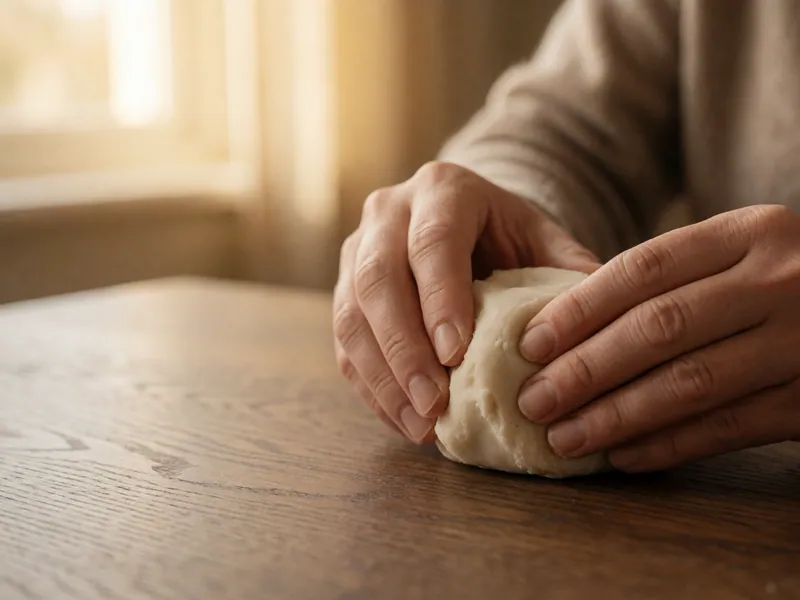
Wrist & hand
Carpal tunnel, thumb base arthritis, de Quervain's and the stiff hand after a cast. Small joints, high stakes for daily life.
6 – 12 visits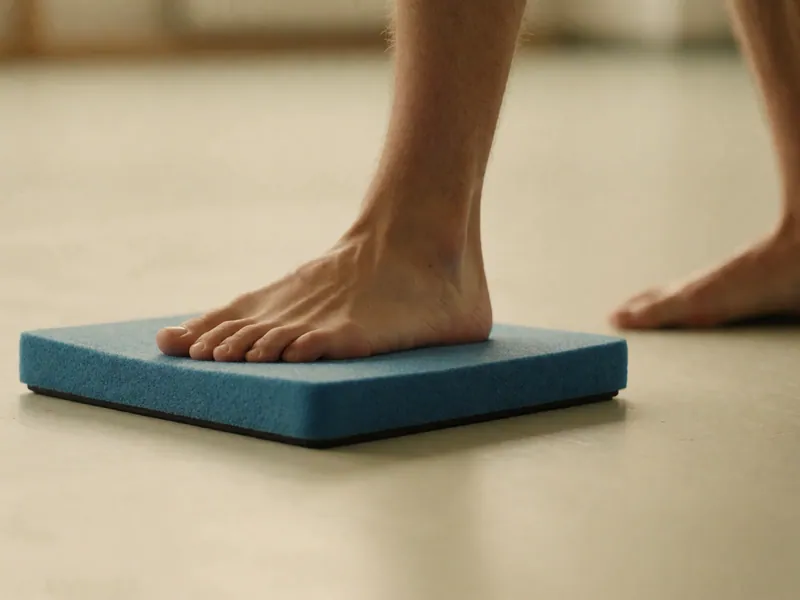
Ankle & foot
The sprain that never fully settled is the commonest thing we see here, and it is a balance problem long after it stops being a ligament problem.
6 – 12 visits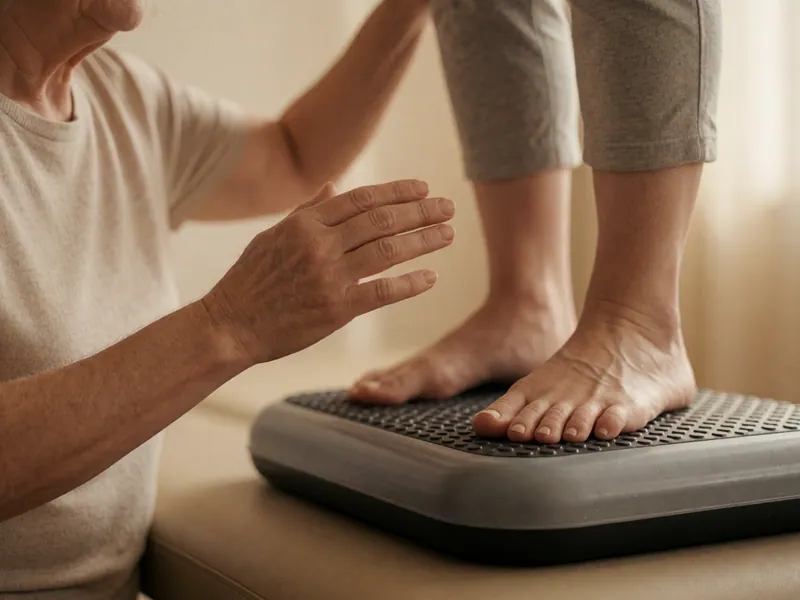
Balance & falls
Falling is not a consequence of age. It is a consequence of specific, measurable and largely trainable deficits, and we measure them.
12 – 24 visits
Older adults
Strength training works at eighty. It works at ninety. The dose that works is heavier than almost anybody is offered.
12 – 24 visitsSixty minutes, one to one, with the therapist you chose
Book an appointment
The booking page shows each therapist's own diary rather than a generic grid, so a slot you can see is a slot that is genuinely free. Most people do not need a doctor's referral to start — New York's direct access law runs to ten visits or thirty days — though Workers' Compensation, No-Fault and Medicare each need one from the first visit. If you are not sure which of those you are, telephone and we will work it out before you book.