
Programmes and populations
Sports injury and return to play
Return is a test you pass, not a date you reach. We will tell you what the test is at the first appointment, and write it down so nobody renegotiates it in week ten.
The hardest conversation in sports rehabilitation happens somewhere around the two-thirds mark, when the athlete feels completely fine and is measurably not ready. Pain has gone, jogging is comfortable, and the strength deficit that predicts reinjury is invisible from the inside.
The way to have that conversation well is to have it before it is needed. The criteria go on paper at the first appointment, when nobody has a fixture they are trying to make, and from then on it is a shared standard rather than a negotiation with a clinician.

What the criteria usually are
Strength symmetry against the uninjured side, measured rather than estimated — a dynamometer and a tape measure, with the numbers written down and shown to you.
Capacity in the specific demand: hop tests for a lower limb, loaded overhead work for a throwing shoulder, and the movement that produced the injury performed at full speed under observation.
Movement quality under fatigue, because the thing that fails in the eightieth minute is not the thing that fails when fresh, and testing only a fresh athlete tests the wrong athlete.
And, where the tissue requires it, elapsed time — which is a criterion in its own right rather than something the tests replace.
Why we show you the numbers
An athlete who can see the gap closing argues about the timeline considerably less than one who is only being told about it. It also converts the conversation from a clinician's opinion into a shared measurement, which is a much better footing when there is a season on.
It cuts both ways, and it should. If the numbers say you are ready earlier than the textbook, we will say so.
Load management, which is most of prevention
A large share of what arrives here is not trauma. It is a training load that increased faster than the tissue adapted — a new programme, a return after a layoff, a season starting, a couch-to-5K compressed into three weeks.
So part of the work is arithmetic: what you were doing, what you increased it to, and how fast. Getting that right is worth more than any exercise we can give you, and it is the part that stops the next one.
Where we send you on
Suspected fractures, joint instability that needs a surgical opinion, and anything that does not behave mechanically. Also the medical presentations that turn up in athletes and are not musculoskeletal — a young athlete with exertional chest symptoms or unexplained collapse needs a physician, promptly.
Nothing here is a promise that treatment will work. Nothing on this site is a promise that treatment will work. Physical therapy has good evidence behind it for a great many musculoskeletal problems and poor evidence for a few of the things it is sold for, and we would rather tell you which of those you have than take the appointment either way. We publish no success rate, no star rating and no before-and-after photographs, because a clinic that chooses which outcomes to show is not reporting outcomes.
Included as standard
How we treat this
Return criteria on paper at visit one
Before anybody has a fixture they are trying to make, so the standard is shared rather than negotiated later.
Strength measured, not estimated
A dynamometer and a tape measure, with the numbers written down and shown to you at each retest.
Testing under fatigue
The thing that fails in the eightieth minute is not the thing that fails when fresh.
The injuring movement rehearsed at speed
Under observation, before the first competitive exposure rather than during it.
Training load arithmetic
What you were doing, what you increased it to, and how fast. This is the part that prevents the next one.
We will say if you are ready early
The measurements cut both ways, and a criterion that only ever delays people is not a measurement.
When to make an appointment
Signs this is worth an assessment
- You have been injured and want a structured way back rather than a guess.
- You have been cleared to return but nobody has tested anything.
- You have had the same injury more than once.
- Your pain resolved but you do not trust the limb at speed.
- You increased your training and something started complaining about it.
- You have a date you are trying to make and want an honest view on whether it is realistic.
Sports injury — how long a course usually takes
- A typical course to a tested return. The criteria depend on the sport and the injury, and they are written down at the start so that nobody negotiates them later.10 – 24 visits
This is a typical number of visits for this problem, not a quote and not a promise. You get an estimate specific to you, in writing, at the first appointment, and we reassess against the same measurements at visit four rather than at visit ten — so a course that is not working gets changed or stopped instead of extended. What each visit costs is published on the pricing page: $190 for the initial evaluation and $140 for a treatment visit if you are paying yourself, or your plan's copay if you are not. We do not sell blocks of visits in advance.
Questions we are actually asked
Sports injury — frequently asked
When can I return to sport after an injury?
When you pass the criteria we set at the first appointment: strength symmetry measured against the other side, capacity in the specific demand of your sport, movement quality maintained under fatigue, and where the tissue requires it, enough elapsed time. Returning on how it feels is the single largest driver of reinjury.
Why do you write the criteria down at the start?
Because the hardest conversation happens around the two-thirds mark, when you feel fine and are measurably not ready. Agreeing the standard before anybody has a fixture to make turns that into a shared measurement rather than an argument with a clinician.
Do you work with my coach?
Gladly, with your consent. A return-to-play plan that the coach has not seen is a plan that gets overtaken by a team sheet. We would rather send them the criteria and the current numbers than have you relay them.
Most of my injuries seem to happen when I ramp up. Why?
Because tissue adapts more slowly than enthusiasm. A large share of what we see is a training load that rose faster than the tissue could keep up with. Working out what you increased and how fast is frequently more valuable than anything else in the programme.
What if I need surgery?
We will tell you when we think a surgical opinion is warranted rather than treating around it, and we will keep working on everything that is not the injured structure meanwhile. Prehabilitation before an operation measurably improves the recovery after it.
Related conditions
Often seen alongside this
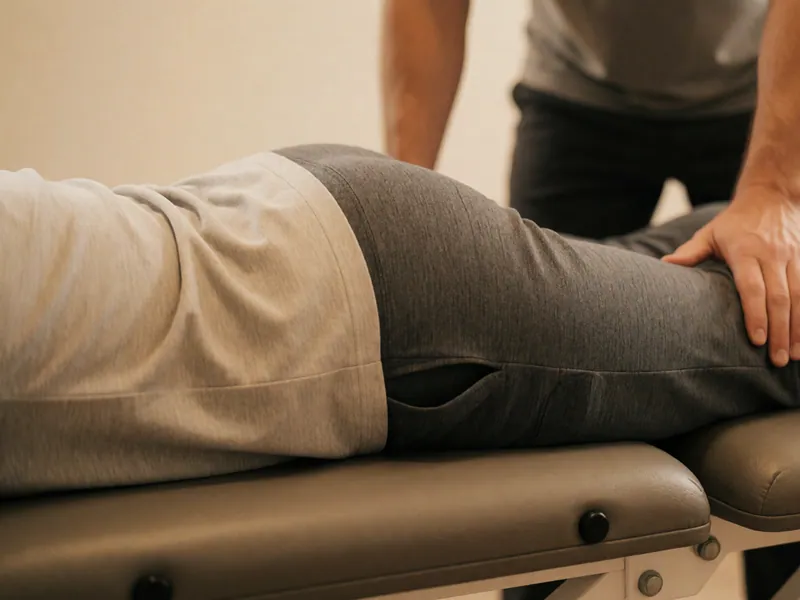
Strains & tears
Hamstrings, calves and groins. The reinjury rate is high and it is high because people return to sport on how it feels rather than on what it can do.
6 – 14 visits
ACL reconstruction
Nine to twelve months, criteria-based, and the single rehabilitation where returning early is measurably dangerous rather than merely unwise.
30 – 50 visits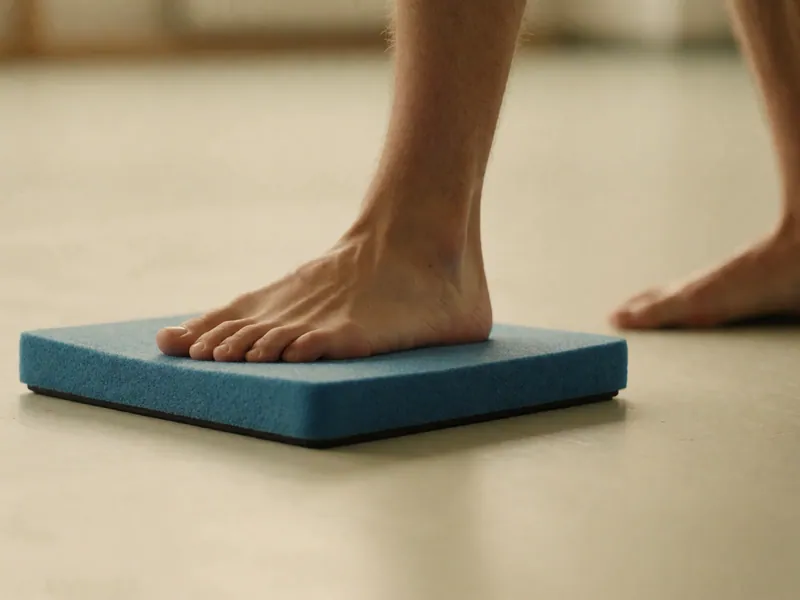
Ankle & foot
The sprain that never fully settled is the commonest thing we see here, and it is a balance problem long after it stops being a ligament problem.
6 – 12 visits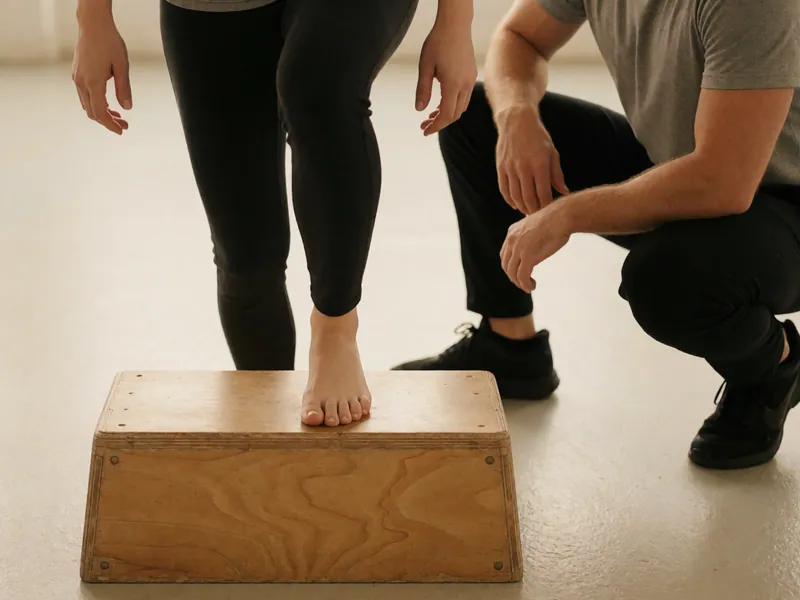
Knee pain
Stairs, kneeling, running, or the knee that hurts because of what the hip is not doing. All four get a different programme.
6 – 14 visitsSixty minutes, one to one, with the therapist you chose
Book an appointment
The booking page shows each therapist's own diary rather than a generic grid, so a slot you can see is a slot that is genuinely free. Most people do not need a doctor's referral to start — New York's direct access law runs to ten visits or thirty days — though Workers' Compensation, No-Fault and Medicare each need one from the first visit. If you are not sure which of those you are, telephone and we will work it out before you book.